
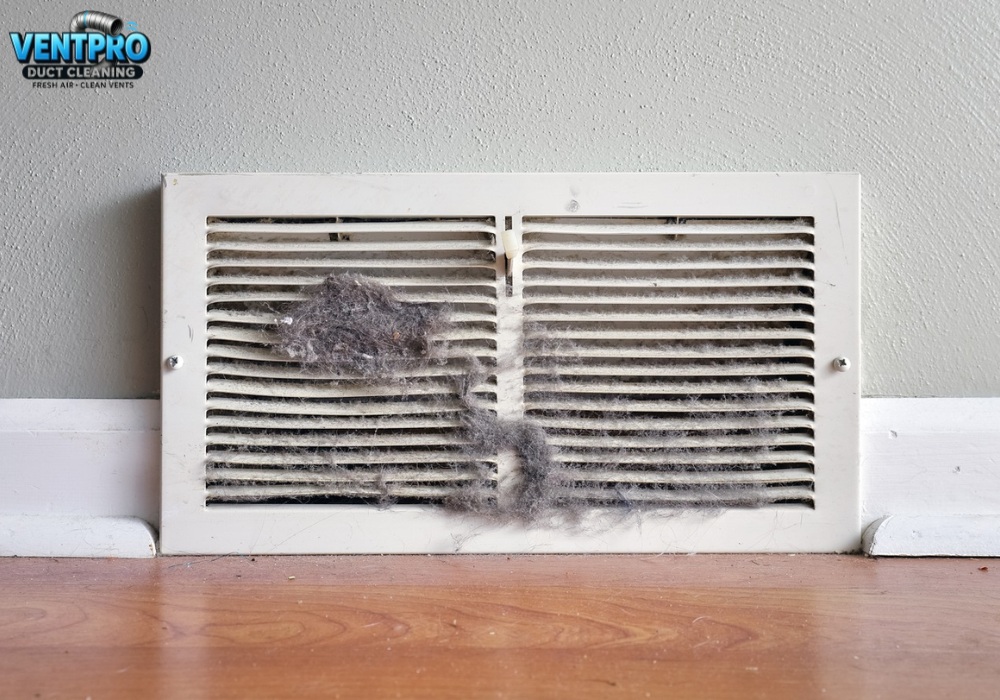
Dirty air vents are a common but often overlooked problem in Austin homes. When you see dust buildup, dark marks around vent covers, or notice a musty odor as the AC runs, it’s often a sign of more than a cosmetic issue. In Austin, heavy cedar pollen and near year-round HVAC use can load the system with particles that settle on vents and recirculate indoors. What looks like a dirty vent cover may actually reflect filtration gaps, airflow imbalance, or buildup just behind the vent opening. Understanding the root causes and health implications is the first step toward cleaner indoor air and better home comfort.
1. Common causes of dirty air vents in house
Dirty air vents rarely happen without a reason. In most Austin homes, visible dust and buildup around vent covers are the result of how the HVAC system filters, moves, and conditions air, combined with local environmental factors.
1.1. HVAC filter problems
Improper air filtration is one of the most common reasons air vents become dirty. When filters do not function correctly, dust and fine particles are able to pass through the system and settle around vents.
Filters that are overdue for replacement often become clogged with debris. As airflow pushes through a restricted filter, particles can escape filtration and accumulate near vents where air velocity is strongest.
Incorrect filter size is another frequent issue. If a filter does not fit tightly within its slot, air will move around it instead of through it. This allows unfiltered dust to enter the ductwork and travel directly to supply vents throughout the house.
Using filters with excessively high MERV ratings can also contribute to dirty vents. While these filters are designed to capture smaller particles, many residential HVAC systems are not built to handle the added airflow resistance. When airflow becomes restricted, pressure imbalances may force air and dust to bypass the filter entirely.
From an efficiency standpoint, filter maintenance plays a critical role. Replacing or cleaning HVAC filters on a regular schedule can improve system performance and reduce energy consumption by approximately five to fifteen percent.
1.2. High particle load in Central Texas
Environmental conditions in Central Texas significantly affect how quickly air vents collect dust. Cedar pollen is one of the most prominent contributors, especially during winter months. These fine particles easily enter homes and continue circulating through HVAC systems long after allergy season peaks.
Traffic related dust and fine particulate matter such as PM2.5 also add to indoor air contamination. These particles are small enough to remain airborne for extended periods and are easily pulled into return vents.
During hot and dry summer months, loose soil and outdoor dust further increase particle levels. With air conditioners running for much of the day, these particles are repeatedly drawn into the system and deposited on vents.
1.3. Moisture and condensation issues
Moisture does not create dust, but it makes vent contamination more visible and persistent. High indoor humidity allows dust to adhere more easily to vent surfaces, often forming dark stains or sticky residue around air registers.
Poorly insulated ductwork can lead to condensation forming near vent openings, particularly in ceilings or exterior walls. This moisture traps airborne particles and causes noticeable buildup around vents.
Leaks in the condensate drain system or other air conditioning moisture issues can introduce dampness near vents. When combined with dust, this can worsen indoor air quality concerns and accelerate visible contamination.
1.4. Lifestyle & household factors
Everyday household activities also influence how quickly air vents become dirty. Pets release hair and dander that become airborne and are frequently pulled into return vents. Carpeting traps dust and releases it back into the air when walked on or vacuumed. Candles and incense produce fine soot particles that often appear as dark marks around vents.
Cooking with oils or high heat releases airborne grease and particulates that can circulate through the HVAC system. After home renovations, dust from drywall sanding or construction work can overwhelm filters and quickly contaminate vents if not properly managed.
2. Why dirty air vents in apartment can be more common
Dirty air vents are often reported more frequently in apartments than in single-family homes. This is largely due to building design, shared HVAC factors, and limited control over maintenance rather than poor cleanliness by tenants.
- Smaller living spaces cause indoor air to circulate more frequently, which means dust and fine particles pass through vents many times each hour and build up faster on vent covers.
- Pressure differences between apartments and shared hallways can pull dust from common areas into individual units, even when the apartment itself is kept clean.
- Limited tenant control over HVAC systems is a common issue. Filters may be located in locked mechanical rooms or replaced on building-wide schedules that do not match actual indoor air conditions.
- Inconsistent maintenance across units can also affect vent cleanliness. Dust or airflow issues in neighboring apartments or shared duct sections may impact multiple units at once.
3. Can dirty air vents affect your health?
Dirty air vents do not directly cause illness, but they can significantly influence the quality of the air you breathe every day. When dust and fine particles accumulate around vents, the HVAC system can continue to circulate those contaminants throughout the home, increasing overall exposure.
3.1. Allergy and Irritation Amplification
Dirty air vents do not create allergens on their own. However, they can trap and redistribute particles that already exist in the home.
- Dust, pollen, and pet dander can settle inside vents and return to the breathing zone when the system runs
- Allergens may remain airborne longer due to continuous HVAC circulation
- Symptoms such as sneezing, itchy eyes, or throat irritation may persist even after surface cleaning
In areas like Austin, where seasonal pollen levels are high, this recirculation effect can make allergy symptoms harder to control indoors.
3.2. Asthma and Respiratory Sensitivity
Fine particulate matter is a key concern when discussing health impacts related to dirty air vents.
- Larger particles such as PM10 can irritate the upper airways
- Smaller particles like PM2.5 are capable of traveling deeper into the lungs
- Repeated exposure may aggravate asthma symptoms or breathing discomfort
Certain groups tend to be more vulnerable to these effects.
- Children, whose lungs are still developing
- Older adults, who may have reduced respiratory resilience
- Individuals with asthma or chronic respiratory conditions
For these populations, poor indoor air circulation can have a noticeable impact on daily comfort and breathing quality.
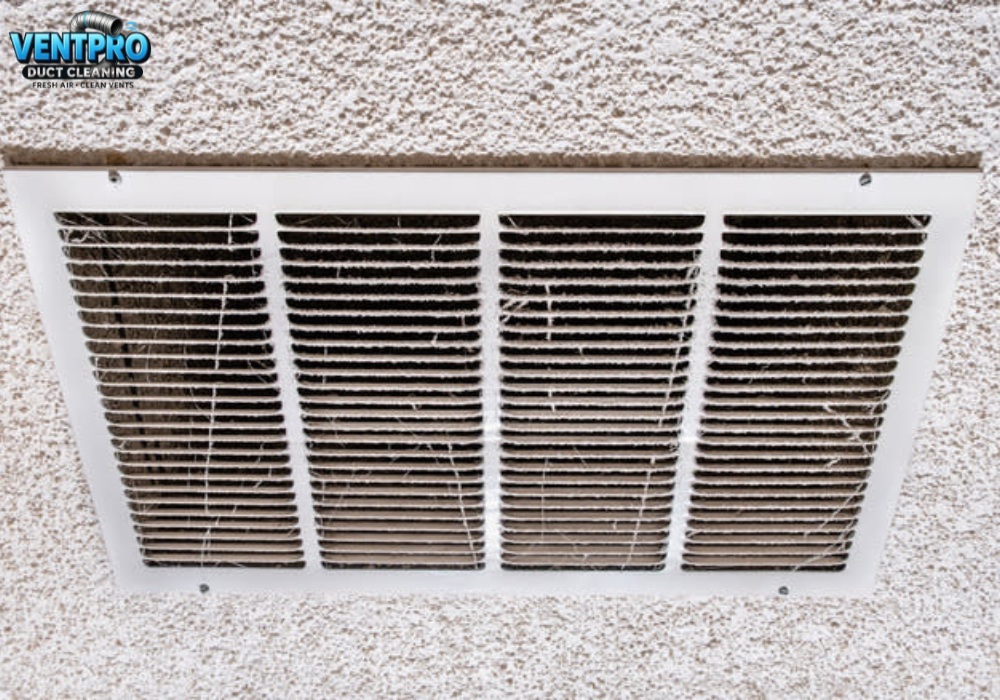
3.3. Warning Signs It May Be More Than Surface Dust
In some cases, dirty air vents may indicate a deeper indoor air or HVAC issue rather than simple surface buildup.
- A persistent musty or damp odor when the system is running
- Visible dust blowing out of vents when the air conditioner or heater turns on
- Symptoms that improve when occupants leave the home for extended periods
These signs suggest that contaminants may be circulating through the system, not just resting on vent covers.
4. How to clean dirty air conditioner vents safely
Cleaning dirty air conditioner vents can improve airflow and reduce visible dust, but it should be done carefully. This process focuses on cleaning what is safely accessible and avoiding actions that could push contaminants deeper into the HVAC system.
#1: Tools needed
Before starting, prepare a few basic household tools. These are sufficient for routine vent cleaning and do not require specialized equipment.
- A microfiber cloth to trap dust without spreading it
- Warm water mixed with mild soap
- A household vacuum cleaner with a hose attachment
- A screwdriver to remove vent covers
#2: Step-by-step process
Follow these steps in order to clean air vents safely and effectively.
- Turn off the HVAC system at the thermostat to prevent air movement during cleaning
- Remove the vent cover carefully using a screwdriver
- Wash the vent cover with warm soapy water, then wipe it clean and allow it to dry completely
- Use a vacuum to remove loose dust inside the vent opening, only within reach of the hose
- Wipe the surrounding wall or ceiling area to remove dust residue and prevent dark buildup marks
- Inspect the HVAC air filter and replace it if it appears dirty or clogged
Taking time to fully dry vent covers before reinstalling them helps prevent moisture related dust buildup.
#3: What NOT to Do
Certain actions can make air quality problems worse or cause damage to the HVAC system.
- Do not spray cleaning chemicals, disinfectants, or fragrances into air ducts
- Do not scrub deep inside ductwork without proper containment and professional equipment
- Do not touch or disturb areas that appear to have mold growth without protective gear and assessment
If dust returns quickly or unusual odors persist after cleaning, the issue may extend beyond surface level vent contamination.
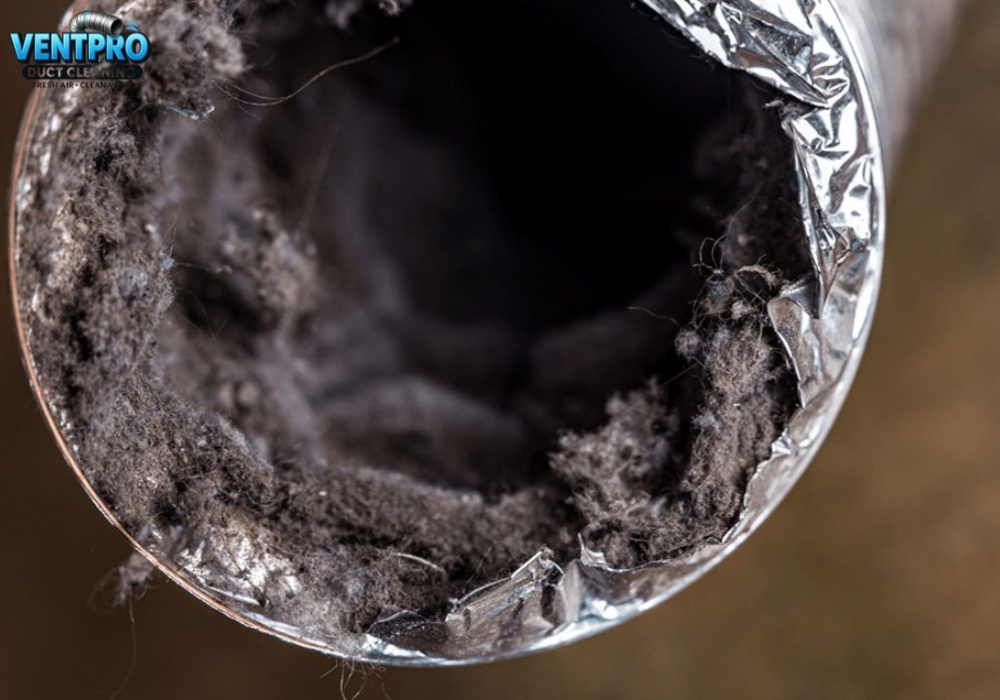
5. When DIY vent cleaning is not enough and professional duct cleaning is needed
Routine DIY vent cleaning and regular filter replacement can address surface-level dust, but in some situations, these steps are no longer sufficient. Certain warning signs indicate that the issue extends deeper into the HVAC system and cannot be resolved through basic cleaning alone.
- Dust returns within days after cleaning, suggesting ongoing contamination inside the ductwork or airflow imbalance
- Persistent musty or damp odors when the HVAC system is running
- Visible dust blowing out of vents when the air conditioner or heater turns on
- Evidence of insects or rodents near vents or inside duct openings
- Noticeably reduced airflow even after vent covers and filters have been cleaned
- Recent major renovations where drywall dust or construction debris may have entered the duct system
When one or more of these conditions are present, repeatedly wiping vent covers only treats the symptom rather than the source of the problem.
Proper professional duct cleaning focuses on the entire air distribution system, not just visible components. When performed correctly, it involves creating negative pressure to pull loosened debris into a sealed collection system, carefully dislodging buildup inside the ducts, and ensuring contaminants are removed from the home rather than redistributed. Both supply and return ducts are addressed to help restore balanced airflow and improve overall system performance.
For homeowners in Austin who want clarity on whether deeper cleaning is truly necessary, VentPro 512 provides professional duct inspections and cleaning services tailored to local conditions. A proper assessment helps identify the root cause of recurring dust and airflow issues, allowing the problem to be resolved correctly instead of repeatedly treated at the surface.
6. Tips to keep air vents clean in Austin homes
Keeping air vents clean over the long term requires more than occasional wiping. In Austin, where pollen levels, dust, and extended HVAC use are part of everyday life, consistent habits make the biggest difference.
- Check HVAC filters monthly to monitor dust buildup and airflow restriction. During cedar season, filters often load faster and should be replaced earlier than usual to prevent particles from reaching vents.
- Reduce dust entry at the source by using door mats at all entrances and limiting door or window openings on days when pollen counts are high.
- Pay special attention to return vents, as they pull air and dust back into the system. Vacuum return vent covers regularly and keep furniture, curtains, or rugs from blocking airflow.
- Manage indoor moisture levels to prevent dust from sticking to vent surfaces. Address condensate drain issues promptly and ensure moisture around vents does not persist after HVAC cycles.
By combining proper filtration, dust control, airflow awareness, and moisture management, homeowners can significantly slow the buildup of debris on air vents and maintain healthier indoor air throughout the year.
7. FAQs
Question 1: Why do my air vents get dirty so fast in Austin?
Air vents in Austin tend to get dirty faster due to a combination of environmental and mechanical factors. Seasonal cedar pollen, high outdoor dust levels, and near year-round HVAC operation cause airborne particles to circulate through homes more frequently. When filters load up quickly or airflow is not well balanced, those particles often settle around vent openings and return grilles.
Question 2: Can dirty air vents make allergies worse?
Dirty air vents do not create allergens, but they can make allergy symptoms harder to manage. When dust, pollen, or pet dander accumulates in or around vents, the HVAC system can repeatedly redistribute those particles throughout the home. This prolonged exposure may intensify symptoms such as sneezing, congestion, or eye irritation, especially during allergy season.
Question 3: Is black dust around air vents normal?
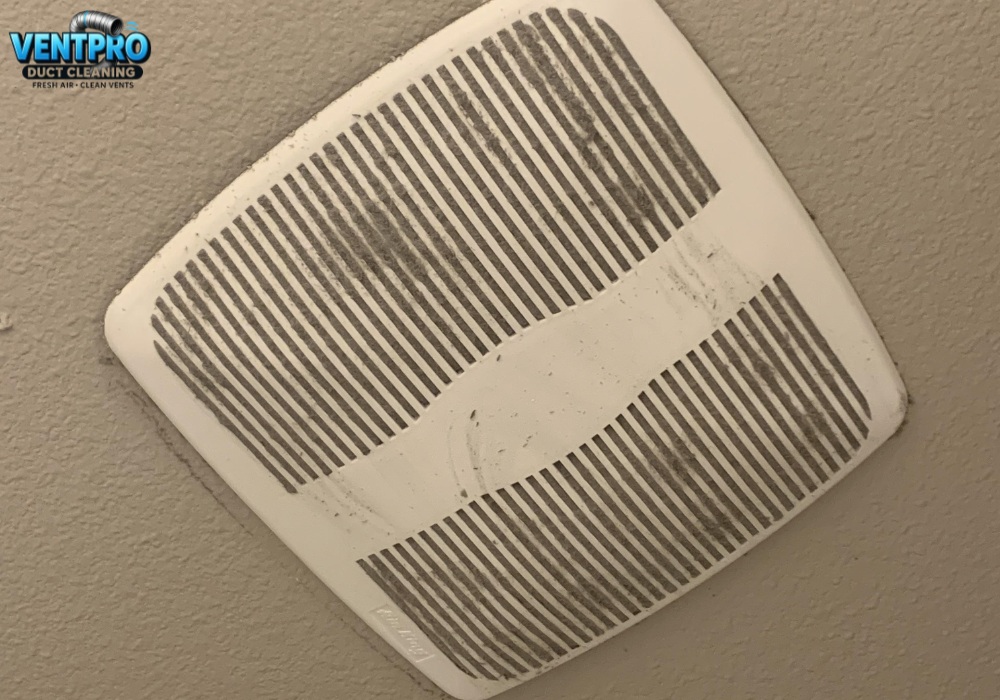
Dark or black dust around air vents is fairly common, but it should not be ignored. In many cases, it comes from fine particles sticking to surfaces where airflow is strongest. Candle or incense use, cooking residues, and high humidity can make this buildup more visible. If the discoloration spreads quickly, appears greasy, or is accompanied by musty odors, it may indicate airflow or moisture issues that require further evaluation.
Question 4: How often should I clean air vents in my house?
Vent covers should be visually checked and cleaned as needed, typically every few months. Homes with pets, carpeting, or allergy sensitivities may benefit from more frequent cleaning. However, if vents become dirty again shortly after cleaning, the issue is likely deeper than surface buildup and may involve filtration, airflow, or duct conditions.
Question 5: What can renters do about dirty air vents in apartments?
Renters often have limited control over HVAC systems, but there are still steps they can take. Cleaning accessible vent covers, keeping return vents unobstructed, and documenting visible dust or airflow issues can help. If filters are not accessible, tenants should notify property management and request inspection or replacement, especially if dust buildup is affecting comfort or health.
Question 6: Do clogged air vents increase electricity bills?
Yes, clogged or restricted air vents can contribute to higher energy use. When airflow is reduced, the HVAC system must run longer to reach the thermostat setting. Over time, this increased runtime leads to higher electricity consumption and additional strain on system components.
Question 7: When should I call a professional instead of DIY?
Professional assessment may be appropriate when dust returns within days of cleaning, airflow remains weak, odors persist, or there are signs of moisture, pests, or post-renovation debris. These situations often indicate issues beyond surface-level vent cleaning and may involve ductwork or system performance that requires specialized equipment.
Dirty air vents are a common issue in homes across Austin, driven by dust, pollen, and frequent HVAC use. Regular vent cleaning, filter checks, and basic moisture control can prevent most buildup and improve airflow. When problems persist despite routine care, it often signals deeper airflow or system issues that should not be ignored.
|
VENTPRO 512 – FRESH AIR & CLEAN VENT Trusted Experts for Clean Air, Healthy Homes, and Reliable Service in Austin, TX
|
