Dirty air ducts can make you sick by circulating dust, mold spores, bacteria, and allergens throughout your home. Every time your HVAC system runs, these contaminants are pushed into the air you breathe. Over time, poor indoor air quality can lead to allergies, sinus irritation, headaches, fatigue, and respiratory issues. Many homeowners experience symptoms without realizing the source is hidden inside their ductwork. This article explains the health risks, warning signs, and what actually works to reduce the problem.
1. Why can dirty air ducts make you sewick?
Dirty air ducts affect health because they act as a hidden reservoir of pollutants that are repeatedly delivered into your living space. Unlike surface dust that settles and can be cleaned, contaminants inside ductwork are actively circulated whenever the HVAC system operates. This ongoing exposure is what turns a maintenance issue into a potential health concern.
1.1 Accumulation of contaminants
Over time, air ducts naturally collect dust, pet dander, pollen, construction debris, and microscopic particles such as bacteria and mold spores. This buildup happens faster in homes with poor air filtration, pets, high outdoor pollen levels, or infrequent HVAC maintenance. Once contaminants settle inside the duct system, they are not removed by regular household cleaning and continue to accumulate layer by layer.
1.2 HVAC air circulation effect
An HVAC system functions as a continuous air circulation network. When ducts are clean, filtered air is distributed throughout the home. When ducts are dirty, that same system pushes contaminated air into every room multiple times a day. This repeated circulation increases the amount of pollutants occupants inhale, even if the home appears visually clean.
1.3 Mold growth inside ductwork
Moisture from humidity, condensation, or small leaks can create ideal conditions for mold growth inside duct systems. Because ductwork is dark and rarely inspected, mold can develop unnoticed for long periods. When the system runs, mold spores can be released into the air, increasing the risk of respiratory irritation and other health problems, especially in individuals with allergies or weakened immune systems.

2. How do dirty air ducts affect your health?
Dirty air ducts affect health by increasing long term exposure to airborne pollutants that enter the body through normal breathing. These effects are often gradual, which makes them easy to overlook or misattribute to seasonal illness or stress. When indoor air quality remains poor over time, the body may respond with a range of persistent symptoms.
2.1 Respiratory irritation
Polluted indoor air can irritate the respiratory system, leading to frequent coughing, sneezing, sore throat, and nasal congestion. For individuals with asthma or other respiratory conditions, dirty air ducts may worsen symptoms and increase the frequency of flare ups. These issues often become more noticeable when the HVAC system is running regularly.
2.2 Allergic reactions
Dirty air ducts can continuously release allergens such as pollen, pet dander, and mold spores into indoor air. This exposure may cause watery eyes, itchy skin, nasal irritation, and stronger allergy symptoms, especially while indoors. If symptoms improve when leaving the house, indoor air contamination is often a contributing factor.
2.3 Ongoing fatigue and headaches
Breathing poor quality air over long periods can place additional stress on the body. Many people experience ongoing fatigue, frequent headaches, low energy levels, and a general feeling of being unwell without a clear cause. These symptoms may persist even when there are no obvious signs of illness.
2.4 Increased risk of respiratory infections
Prolonged exposure to bacteria or mold spores circulating through dirty air ducts may increase the risk of respiratory infections. Conditions such as bronchitis, chronic sinus infections, or pneumonia can develop more easily, particularly in children, older adults, and individuals with weakened immune systems.
3. How to reduce health risks from dirty air ducts
Reducing health risks starts with limiting the amount of contaminants entering and circulating through your HVAC system. The following steps help improve indoor air quality and reduce exposure to harmful particles.
- Replace HVAC air filters regularly. Changing filters every one to three months helps trap dust, allergens, and airborne particles before they enter the duct system and spread throughout the home.
- Schedule professional air duct cleaning when needed. If there is visible mold, pest debris, excessive dust buildup, or musty odors when the system runs, professional cleaning can remove contaminants that cannot be reached with basic household tools.
- Use air purification solutions in living spaces. Portable air purifiers help capture fine airborne particles and support cleaner indoor air, especially in bedrooms and frequently used areas.
- Control indoor moisture levels. Managing humidity and fixing leaks reduces the conditions that allow mold to grow inside ductwork and HVAC components.
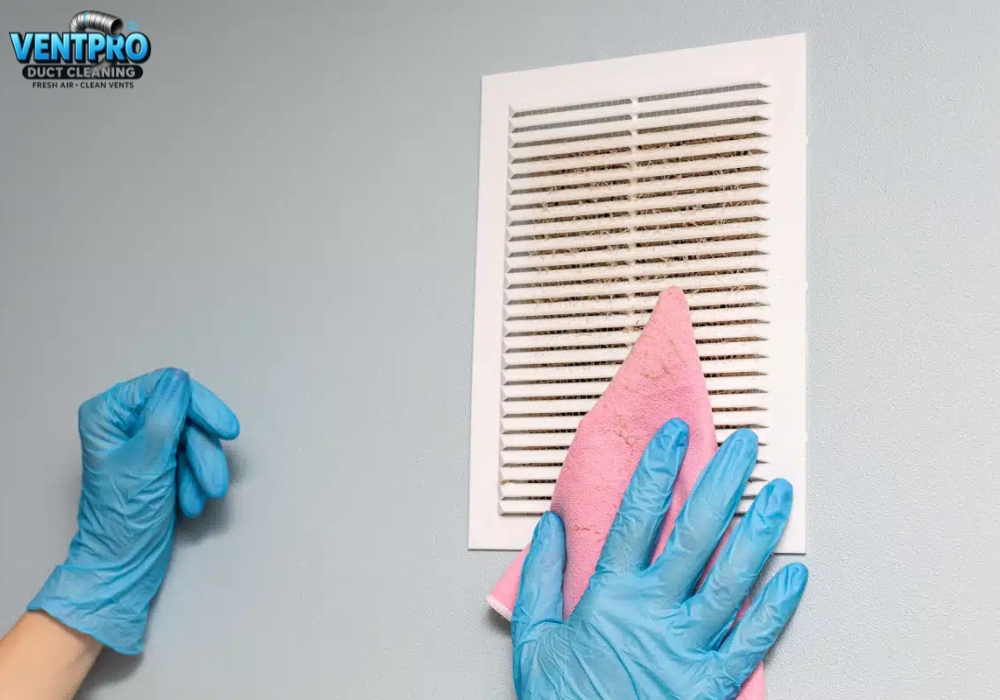
- Keep vents and returns clean and unobstructed. Regularly vacuuming vent covers and ensuring airflow is not blocked helps the system operate more efficiently and reduces dust circulation.
4. FAQs – Dirty air ducts and health concerns
Question 1: What are the most common signs of dirty air ducts?
Common signs include excessive dust buildup around vents, musty or stale odors when the HVAC system is running, and uneven airflow between rooms. Many homeowners also notice that allergy symptoms worsen indoors. If congestion, headaches, or fatigue improve when you leave the house but return once you are home, dirty air ducts may be contributing to the problem.
Question 2: How do you clean air vents properly?
Basic air vent cleaning involves removing vent covers, vacuuming visible dust, and wiping surfaces with a damp cloth. This helps reduce surface debris and improves airflow at the vent opening. However, this approach only addresses what is visible. Contaminants deeper inside the duct system remain untouched and can continue circulating through the home.
Question 3: What does professional air duct cleaning actually do?
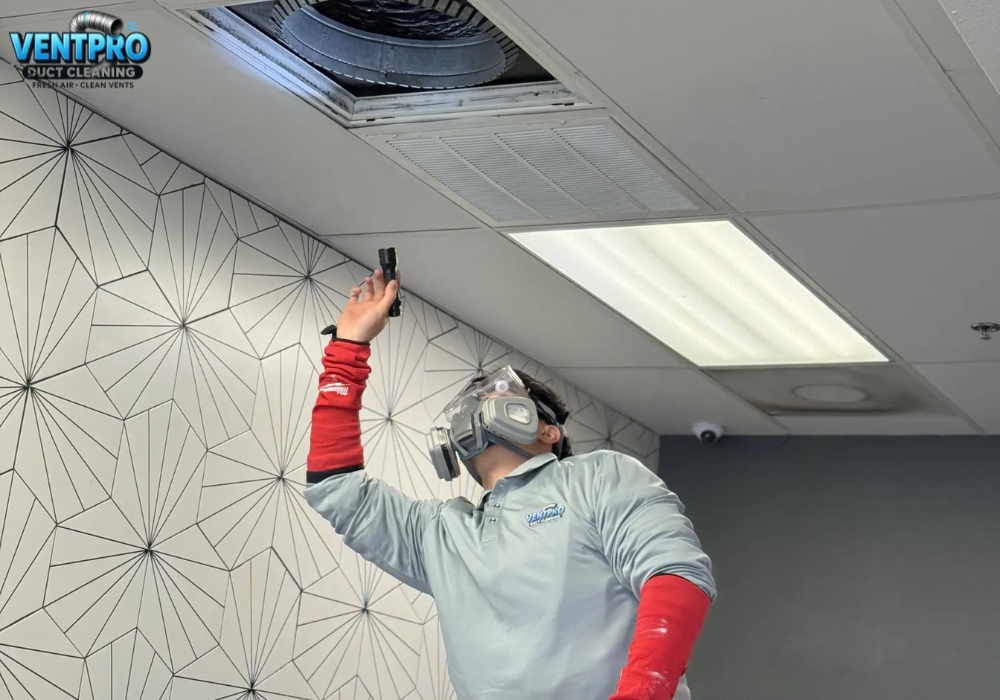
Professional air duct cleaning focuses on the entire HVAC duct system. Specialized equipment is used to remove accumulated dust, debris, allergens, and microbial buildup from inside the ducts. When performed correctly, this process reduces airborne contaminants and supports better indoor air quality, especially in homes where health concerns are present.
Question 4: How much does it cost to clean air ducts?
The cost of air duct cleaning depends on factors such as home size, system design, and the level of contamination. For most residential systems, pricing typically ranges from a few hundred dollars. Extremely low advertised prices often indicate limited service that does not address the full duct system.
Question 5: How often should air ducts be cleaned?
In most homes, professional air duct cleaning is recommended every three to five years. More frequent cleaning may be necessary in households with pets, allergy sufferers, recent remodeling, water damage, or visible mold growth. These factors increase the rate at which contaminants accumulate inside the ductwork.
Question 6: Is duct cleaning a waste of money?
Duct cleaning is not a waste of money when there is a clear issue such as mold growth, heavy dust buildup, pest contamination, or health symptoms linked to indoor air quality. It becomes ineffective only when performed without a real need or done improperly. The value depends on accurate assessment and professional execution.
Question 7: Can dirty air ducts really make you sick?
Yes. Dirty air ducts can make you sick by continuously circulating pollutants that you breathe every day. While the effects may not appear immediately, long term exposure can aggravate existing conditions and contribute to chronic health symptoms over time.
Dirty air ducts can quietly impact health by affecting the air you breathe inside your home. Regular maintenance, proper filtration, and professional cleaning when needed are essential steps toward healthier indoor air and long term comfort.
|
VENTPRO 512 – FRESH AIR & CLEAN VENT Trusted Experts for Clean Air, Healthy Homes, and Reliable Service in Austin, TX
|
