
Leaky air ducts are a common but often overlooked issue in residential HVAC systems. Over time, small gaps or loose connections can allow 20 – 30% of conditioned air to escape, leading to higher energy bills, uneven room temperatures, excess dust, and reduced indoor air quality. In this guide, you’ll learn how to identify leaky air ducts, understand their causes, apply proper repair methods, and determine when professional service is the smarter choice to protect comfort and efficiency in your home.
1. Common Signs of Leaky Air Ducts in Your Home
Leaky air ducts often go unnoticed because most ductwork is hidden behind walls, ceilings, or inside attics. However, airflow loss inside the system usually creates clear and consistent warning signs throughout the home.
Common signs of leaky air ducts include:
- Uneven room temperatures: Some rooms may feel too hot during summer or too cold in winter, even when the thermostat setting is consistent. This often happens when conditioned air escapes before reaching those spaces.
- Higher-than-normal energy bills: When air leaks from the duct system, the HVAC unit must run longer and work harder to maintain indoor temperatures, leading to increased energy consumption.
- Weak airflow at vents: Reduced air pressure caused by leaks results in less air being delivered through supply registers, making rooms feel uncomfortable or under-conditioned.
- Excessive dust buildup indoors: Leaky ducts can pull dust, insulation fibers, and debris from attics or crawlspaces into the system, which then circulates through the home.
- Unusual noises near ductwork: Whistling or hissing sounds around vents or duct lines often indicate air escaping through gaps or loose connections.
If you notice more than one of these symptoms at the same time, leaky air ducts are a strong possibility and should be inspected to prevent further energy loss and comfort issues.
2. What Causes Leaky Air Ducts?
Understanding why air duct leaks develop is essential for preventing repeated issues and choosing the right repair method. In most homes, leaks are not caused by a single factor but by a combination of aging, installation quality, and external damage.
2.1. Age and Structural Movement
As duct systems age, natural structural movement within the home begins to affect their integrity. Gravity can cause long duct runs to sag over time, while seasonal expansion and contraction may slowly pull joints apart.
In older duct systems, sealants and tapes used during installation often dry out or crack, leaving small gaps that gradually worsen. Even minor separations can result in significant air loss when the HVAC system is running.
2.2. Poor Installation Practices
Improper installation is one of the leading causes of leaky air ducts, even in relatively new homes. Common issues include joints that were never fully sealed, poorly aligned connections, or ductwork that was incorrectly sized for the HVAC system.
When installers take shortcuts or skip proper sealing methods, leaks may exist from day one. Over time, vibration from system operation makes these weak points worse, allowing more conditioned air to escape into unconditioned spaces.
2.3. Pests and Physical Damage
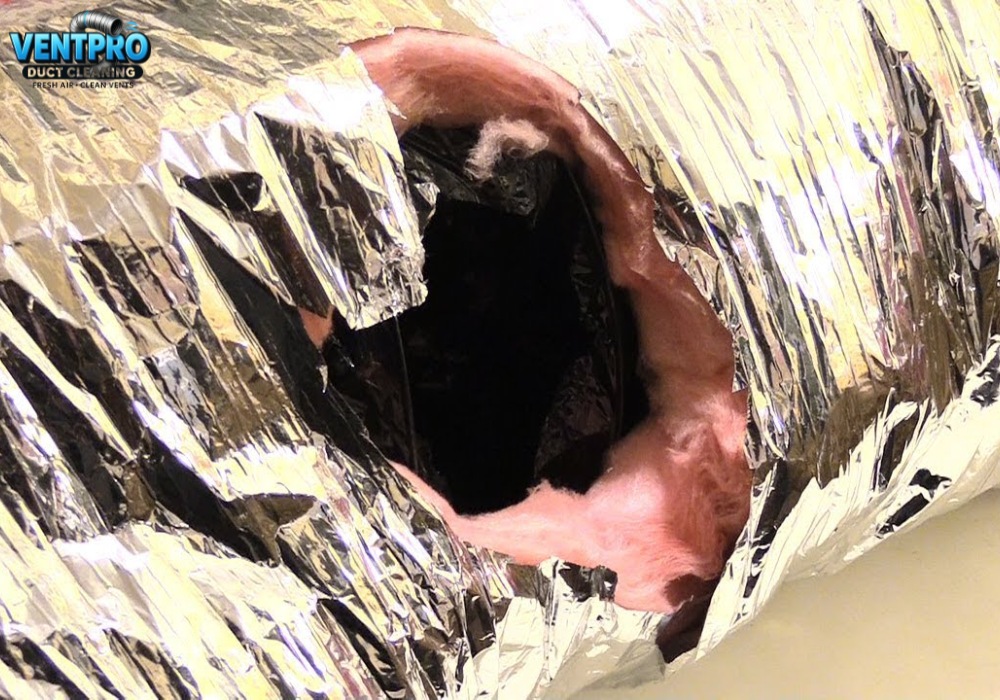
Ductwork located in attics, basements, or crawlspaces is vulnerable to pests and accidental damage. Rodents can chew through flexible ducts, insulation layers, or vapor barriers, creating hidden openings that compromise airflow.
Physical damage can also occur during home repairs, storage use, or maintenance work when ducts are stepped on, shifted, or partially disconnected. These issues often go unnoticed until comfort or energy problems appear.
2.4. DIY Duct Leakage Test for Early Detection
Homeowners can perform a basic DIY duct leakage test to identify early signs of air loss. This includes visually inspecting exposed ductwork for gaps, loose connections, or disconnected sections.
Another common method is using incense or smoke near accessible ducts while the HVAC system is running. If the smoke moves erratically or is pulled toward a joint, it may indicate escaping air. While these DIY methods are useful for initial detection, they typically reveal only accessible leaks and cannot identify hidden or internal duct leakage.
Addressing the root causes of leaky air ducts early helps prevent larger efficiency losses, improves airflow balance, and reduces long-term HVAC strain.
3. How to Repair Leaking Air Ducts the Right Way (DIY Methods)
If air leaks are visible and easy to access, certain repairs can be performed safely by homeowners. DIY methods are most effective for small leaks around exposed joints and seams, but it’s important to use the correct materials and techniques to avoid temporary or failed repairs.
3.1. Seal Joints with Mastic Sealant
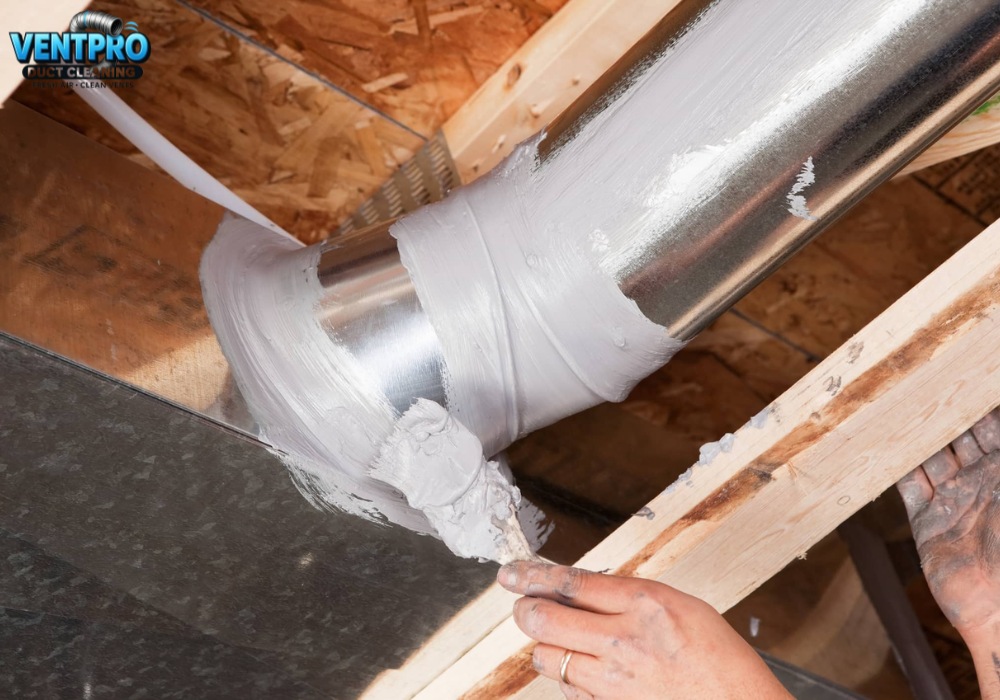
Mastic sealant for air ducts is the most reliable DIY solution for sealing leaks. This thick, rubber-like compound is designed specifically for HVAC systems and forms a durable, airtight seal once cured. Unlike standard tape, mastic remains flexible over time and resists cracking caused by temperature changes and system vibration.
For best results, apply mastic directly over joints, seams, and small gaps using a brush or gloved hand. In larger gaps, reinforcing with mesh tape before applying mastic can improve long-term durability.
3.2. Use Metal-Backed Foil Tape
UL-listed foil tape or metal-backed HVAC tape is another effective option for sealing duct connections. It adheres well to metal surfaces and helps reinforce joints after mastic application.
Avoid using standard cloth duct tape, as it dries out, loses adhesion, and fails over time. Foil tape is specifically designed to withstand heat, airflow pressure, and humidity inside duct systems.
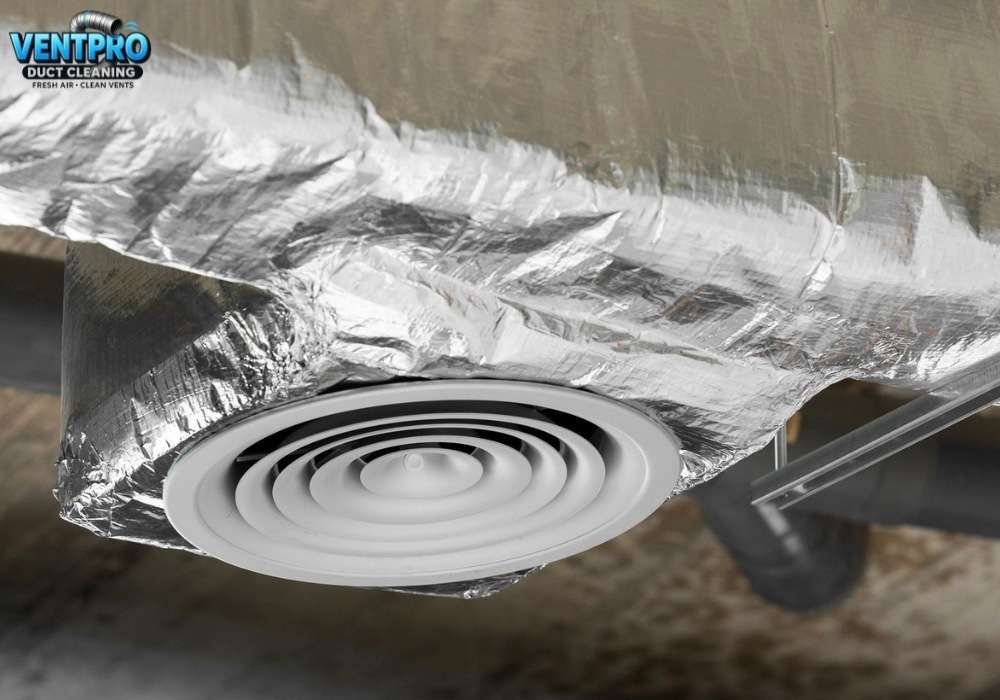
3.3. Insulate Ducts After Sealing
Once leaks are sealed, adding insulation around ductwork helps maintain consistent air temperature as it travels through the system. Proper insulation reduces heat loss in winter, limits heat gain in summer, and minimizes condensation that can lead to moisture problems.
Insulation is especially important for ducts running through unconditioned spaces such as attics, garages, and crawlspaces.
DIY repairs are best suited for minor, accessible leaks. They cannot address hidden duct damage or system-wide leakage, which often requires professional inspection and specialized sealing methods.
4. Should You Call a Professional for Leaking Air Duct Repairs?
In many situations, professional air duct repair is the safer and more effective option, especially when leaks are not easily visible or when DIY efforts fail to resolve performance issues. While minor surface leaks can sometimes be sealed by homeowners, larger or hidden problems often require specialized tools and expertise.
You should consider calling a professional air duct specialist if:
- Leaks are hidden behind walls or ceilings: Ductwork concealed within building structures cannot be fully inspected or repaired using DIY methods. Hidden leaks often account for significant air loss.
- You experience persistent airflow imbalance: If some rooms continue to receive weak airflow even after sealing visible leaks, the issue may involve deeper system-level leakage or design problems.
- Energy bills remain high after DIY repairs: Continued energy loss is a strong indicator that leaks still exist in inaccessible sections of the duct system.
- There are signs of back-drafting or safety risks: Leaky ducts can create pressure imbalances that pull combustion gases, including carbon monoxide, back into living spaces. This is a serious safety concern that requires immediate professional evaluation.
Professional technicians use advanced methods such as negative-pressure testing to identify leakage throughout the entire duct system. In addition, internal sealing technologies like Aeroseal can seal ducts from the inside, closing leaks that cannot be reached manually. These approaches provide comprehensive, long-term results that DIY repairs simply cannot achieve.
5. Tips to Prevent Air Duct Leaks and Extend Ductwork Lifespan
Preventive care plays a key role in reducing long-term repair costs and maintaining efficient HVAC performance. While air duct systems are designed to last for many years, neglect and environmental factors can shorten their lifespan if issues are left unaddressed.
Practical tips to help prevent air duct leaks include:
- Schedule regular air duct inspections: Periodic inspections help identify loose connections, early signs of wear, and developing leaks before they become major problems.
- Replace HVAC filters consistently: Clean filters reduce strain on the system and prevent excessive pressure buildup, which can worsen existing leaks over time.
- Avoid placing heavy objects on exposed ducts: Ductwork in attics, basements, or crawlspaces can be damaged by weight or foot traffic, leading to sagging or separated joints.
- Keep attics and crawlspaces dry and pest-free: Moisture and rodents are two of the biggest threats to duct integrity. Controlling humidity and preventing pest access protects duct materials and seals.
- Address airflow issues early: Weak airflow, temperature imbalance, or rising energy bills should be investigated promptly, before small leaks expand into system-wide problems.
Consistent maintenance habits significantly extend the lifespan of duct systems while improving comfort, energy efficiency, and indoor air quality.
6. FAQs About Leaky Air Ducts
Question 1: Can ductwork leaking water from the ceiling be caused by air duct leaks?
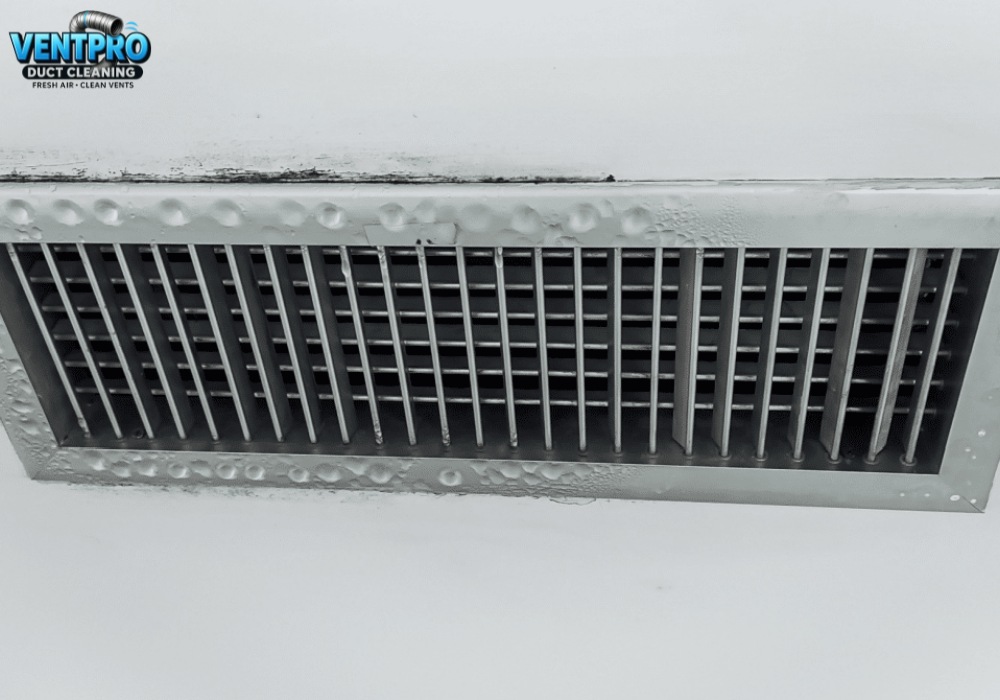
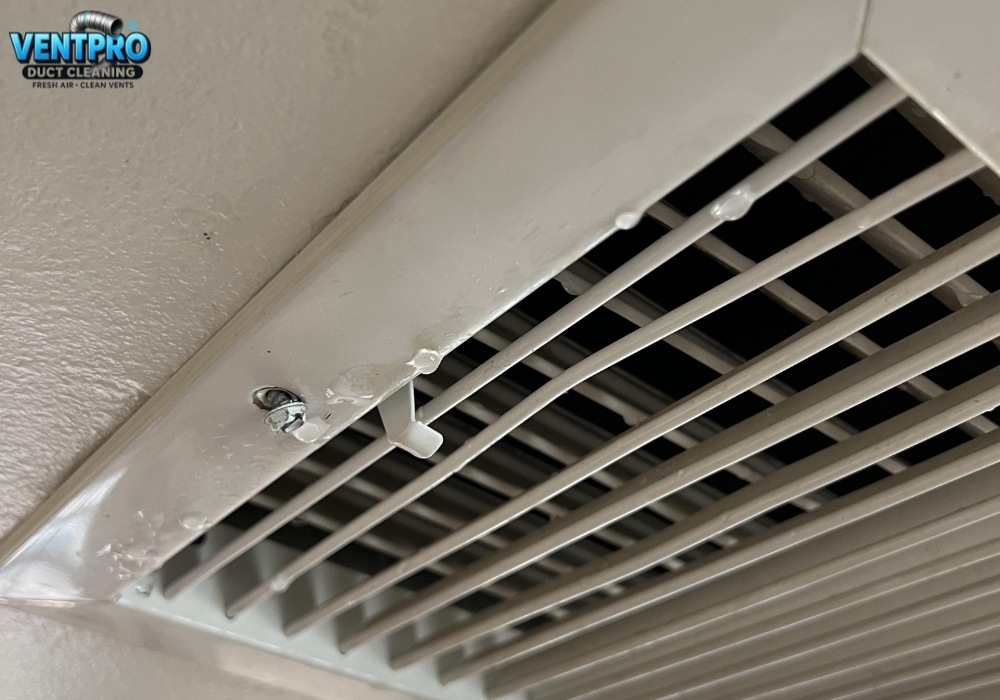
Yes. Leaky air ducts can cause condensation when warm air escapes and meets cooler surfaces inside ceilings or walls. This leads to moisture buildup that may drip from the ceiling. In many cases, the problem is linked to both air leakage and poor duct insulation, and should be addressed early to prevent mold growth and structural damage.
Question 2: How can I find an air leak in ductwork?
You can inspect exposed ductwork for loose joints, disconnected sections, or visible gaps. Running the HVAC system and using smoke or incense near accessible ducts can help detect escaping air. If leaks are hidden behind walls or ceilings, a professional air duct inspection is the most reliable way to locate them.
Question 3: Is mastic sealant safe and effective for air ducts?
Yes. Mastic sealant is designed specifically for HVAC systems and provides a long-lasting, airtight seal. It remains flexible over time, resists temperature changes, and performs far better than standard duct tape for sealing air duct leaks.
VentPro 512 follows professional-grade duct sealing standards to deliver safe, effective, and long-term solutions for homeowners. Our technicians are trained to identify hidden duct leaks that DIY methods often miss, restore proper airflow throughout the home, and reduce energy waste caused by air loss. By addressing both visible and internal leakage, we help improve HVAC efficiency while supporting healthier indoor air quality. If you suspect leaky air ducts, a professional inspection can save you money over time and protect your HVAC system from unnecessary strain and premature wear.
Leaky air ducts don’t just waste energy. They directly affect comfort, indoor air quality, and overall HVAC performance. By recognizing early warning signs, understanding what causes duct leaks, and choosing the right repair approach, homeowners can prevent costly long-term damage and ongoing efficiency loss.
|
VENTPRO 512 – FRESH AIR & CLEAN VENT Trusted Experts for Clean Air, Healthy Homes, and Reliable Service in Austin, TX
|
