
Hearing popping, banging, or rattling from your air ducts at night? Ductwork noise is common, but the type of sound and when it occurs reveal what is happening inside your HVAC system. Some noises are harmless thermal expansion, while others indicate airflow imbalance or pressure problems. This guide explains why your vents make noise, why your furnace pops when shutting off, and how to eliminate ductwork noise the right way.
1. Common Ductwork Noises You Might Hear
Air duct noise follows patterns. The sound itself, combined with when it occurs, reveals whether it is a normal operational shift or something worth investigating. Homeowners most commonly report popping, rattling, rumbling, or ticking sounds, especially during system transitions. Understanding how each sound behaves helps you recognize what category it falls into before moving on to the root causes.
1 – Popping or banging sounds
Popping or light banging noises are typically noticed right when the furnace shuts off or when the air conditioner starts. The sound is often sharp and metallic, like a brief snap or small thud inside the walls or ceiling. Many homeowners say they notice it more at night, simply because the house is quieter. These sounds usually occur at transition points, when the system changes temperature or airflow direction. They are often short and isolated rather than continuous.
2 – Rattling or buzzing during operation
Rattling or buzzing tends to happen while the HVAC system is actively running. Instead of a single pop, this noise continues throughout the heating or cooling cycle. It may sound like light metal vibration near a vent or inside a wall cavity.
In many cases, the sound is localized to one room rather than the entire house. Once the system shuts off, the noise usually stops immediately.
3 – Rumbling or hollow thumping
Some duct noises are deeper and more hollow, almost like a low drum thump inside the ceiling. Homeowners often describe this as a brief flexing or rumbling sound. This typically occurs at system startup or when airflow demand suddenly increases. The sound is not sharp like a pop it feels broader and more internal, as though a panel inside the duct briefly shifts before stabilizing.
4 – Noise when walking on the floor
If your ductwork runs beneath flooring, you may hear clicking or light metallic flexing when stepping on certain areas. The noise is tied directly to movement and only happens when weight is applied above specific spots. Unlike airflow-related sounds, this type of noise does not depend on whether the HVAC system is running. It is triggered by physical pressure on the structure above the ductwork.
5 – Vents making noise when the heat is on
Heating cycles tend to make duct noises more noticeable than cooling cycles. Homeowners frequently report ticking or light popping when warm air begins flowing through the system. The sound usually appears at the beginning of the heating cycle and may gradually fade as temperatures stabilize. In colder weather, the contrast in temperature can make these sounds more pronounced.
6 – Air vent making noise when off
Hearing a duct or vent make noise after the system has shut down can be confusing. These sounds are typically softer, small ticks, faint pops, or brief metallic shifts. They often occur several minutes after shutdown, especially at night when ambient sound levels drop. Because the system is not actively running, these noises tend to be short-lived rather than continuous.
2. Why Does Ductwork Make Noise? Root Causes Explained
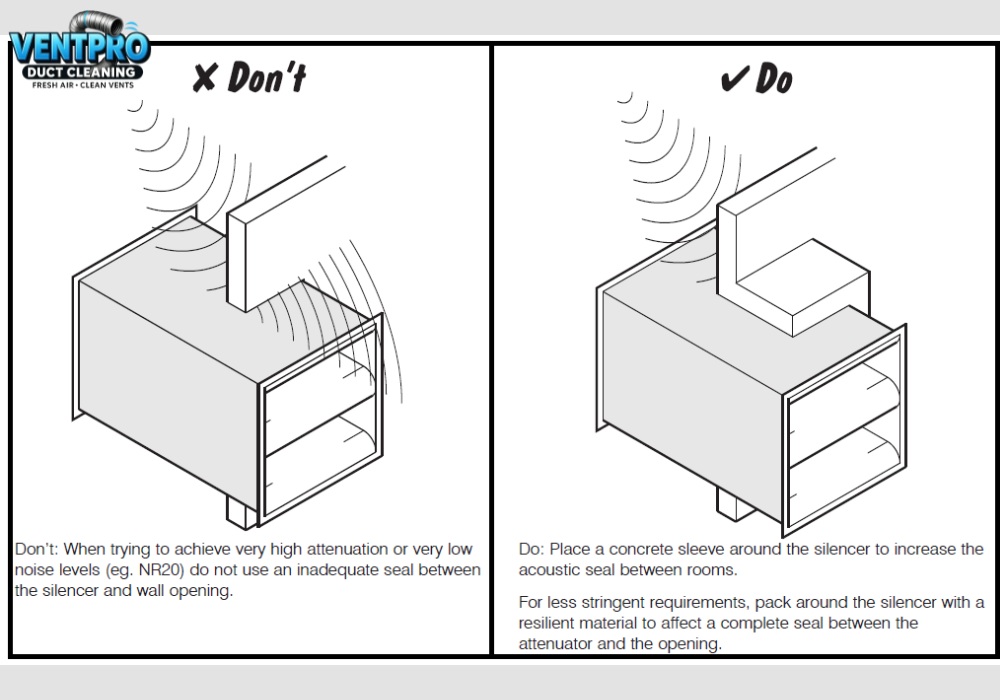
Now that you understand the types of sounds ductwork can produce, the next step is identifying what mechanically causes them. Most duct noises fall into one of five categories: thermal movement, pressure imbalance, loose structural components, airflow restriction, or improper duct sizing. Some are normal system behavior. Others signal design or performance issues that should not be ignored.
2.1. Thermal Expansion and Contraction
Metal expands when heated and contracts when cooled. When warm air travels through ductwork, the metal slightly expands. After the system shuts off and temperatures drop, the metal contracts back to its original state. That movement creates popping, ticking, or light snapping sounds.
This explains:
- Why ductwork makes noise at night
- Why furnaces make a popping noise after shutting off
- Why sounds often occur right after heating cycles
At night, ambient sound levels are lower, so even normal contraction noises become more noticeable. Brief popping after shutdown is typically normal. However, excessive or violent expansion sounds may indicate added pressure stress inside the duct system.
2.2. Static Pressure Imbalance
Static pressure refers to the resistance air faces as it moves through the duct system. When pressure becomes too high, flat metal duct panels can flex inward and outward. This flexing effect is commonly referred to as oil canning. Excessive static pressure often develops due to system imbalance rather than a single defect.
Common contributing factors include:
- Dirty or high-restriction air filters
- Closed or partially blocked supply vents
- Undersized ductwork
- Insufficient return airflow
Pressure imbalance is one of the most overlooked HVAC design issues. Many homeowners attempt to “fix” airflow by closing vents, not realizing this increases internal pressure and amplifies noise. Chronic high static pressure not only causes sound but also reduces system efficiency and increases wear on the blower motor.
2.3. Loose or Aging Duct Connections
Over time, mechanical connections naturally weaken. Screws may loosen, metal tape can deteriorate, and duct supports may sag slightly. When airflow moves through the system, vibration amplifies even small structural gaps. What would otherwise be a minor shift becomes audible rattling or buzzing.
This type of noise often worsens gradually rather than appearing suddenly. Homes with older duct systems are more prone to vibration-related sounds, especially if routine inspection has not been performed.
2.4. Restricted Airflow
Air must move freely through both supply and return ducts. When airflow becomes restricted, the system works harder to maintain circulation. Common restrictions include clogged filters, blocked return grilles, debris buildup, or crushed duct sections.
As airflow pushes against resistance, several symptoms may appear:
- Rattling vents
- Whistling sounds
- Panel vibration
- Uneven room temperatures
Restricted airflow increases static pressure, which in turn increases mechanical stress. Over time, this reduces HVAC efficiency and can shorten equipment lifespan.
2.5. Undersized or Poorly Designed Ductwork
Duct systems must be sized correctly for the airflow demands of the HVAC unit. If ducts are too small, air velocity increases and pressure builds rapidly.
When this happens:
- Metal panels flex aggressively
- Noise becomes louder and more frequent
- System cycles may feel abrupt or forceful
This issue is especially common in older homes where the HVAC equipment has been upgraded but the original ductwork was never redesigned. A larger system pushing air through smaller ducts creates consistent pressure stress and recurring noise.
Proper duct design considers airflow volume, velocity, return balance and pressure tolerance. Without those elements aligned, noise becomes a symptom of system imbalance rather than a cosmetic issue.
3. How to Eliminate Ductwork Noise
Reducing ductwork noise requires identifying the correct cause first. Attempting random fixes without diagnosis often leads to temporary improvement rather than a lasting solution. Once you understand whether the issue is related to airflow restriction, pressure imbalance, or structural vibration, corrective steps become much more effective.
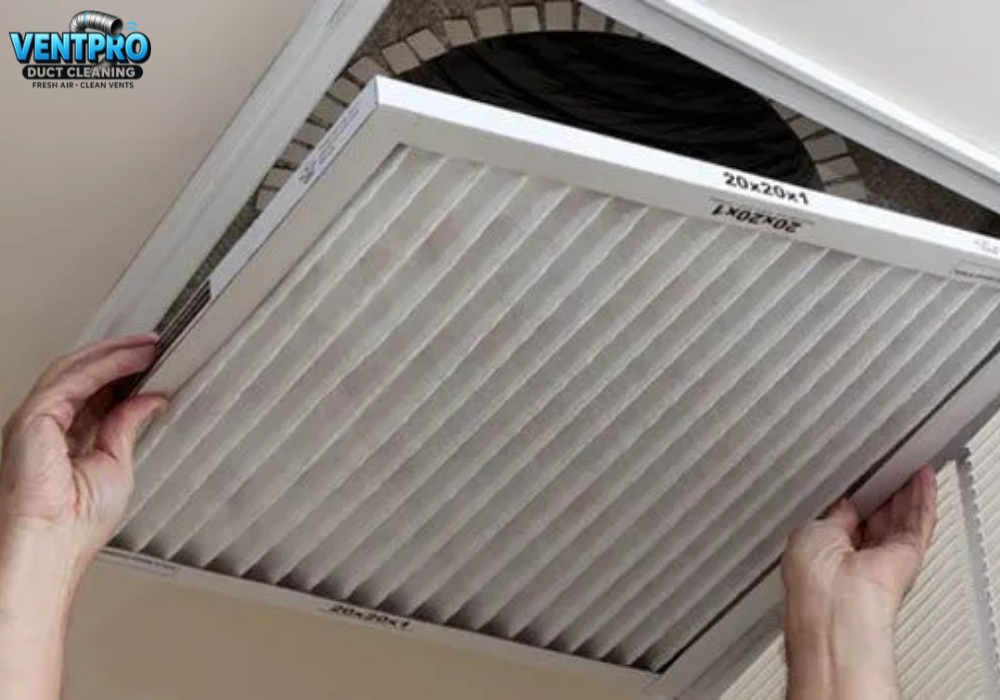
3.1. Replace or Upgrade Air Filters
One of the simplest and most overlooked solutions is replacing the air filter. A clogged or overly restrictive filter increases resistance inside the system, forcing air to push harder through the ductwork.
Start by using a high quality pleated filter that matches your system specifications. Follow a consistent replacement schedule rather than waiting until the filter looks dirty. It is also important to choose the correct MERV rating. A rating that is too high for your system can unintentionally restrict airflow. In many homes, replacing a neglected filter significantly reduces rattling and pressure related popping.
3.2. Ensure All Supply and Return Vents Are Open
Many homeowners close vents in unused rooms believing this will save energy. In reality, closing vents increases internal pressure and disrupts airflow balance. When pressure builds inside the duct system, metal panels are more likely to flex. This commonly leads to banging sounds when the system shuts off. Keeping both supply and return vents open allows air to circulate as designed. Balanced airflow reduces pressure spikes and helps stabilize system operation.
3.3. Secure Loose Duct Sections
If noise is caused by vibration or structural movement, physical reinforcement is necessary. Professional grade solutions include properly fastening loose joints with mechanical connectors, sealing seams with duct mastic rather than temporary tape, and adding structural supports where sagging occurs.
Temporary tape repairs may quiet the sound for a short time, but they rarely address the underlying instability. Long term noise reduction requires securing the duct system so airflow cannot amplify weak connection points.
3.4. Add Insulation or Acoustic Lining
In some cases, noise is not caused by pressure but by sound transmission through thin metal ducts. Adding external duct insulation can reduce vibration and absorb sound energy. Insulated duct runs are less likely to transmit expansion sounds into living spaces. This approach is especially effective for attic ductwork where temperature differences are more extreme. Beyond sound reduction, insulation also improves overall energy efficiency by stabilizing air temperature inside the ducts.
3.5. Static Pressure Testing
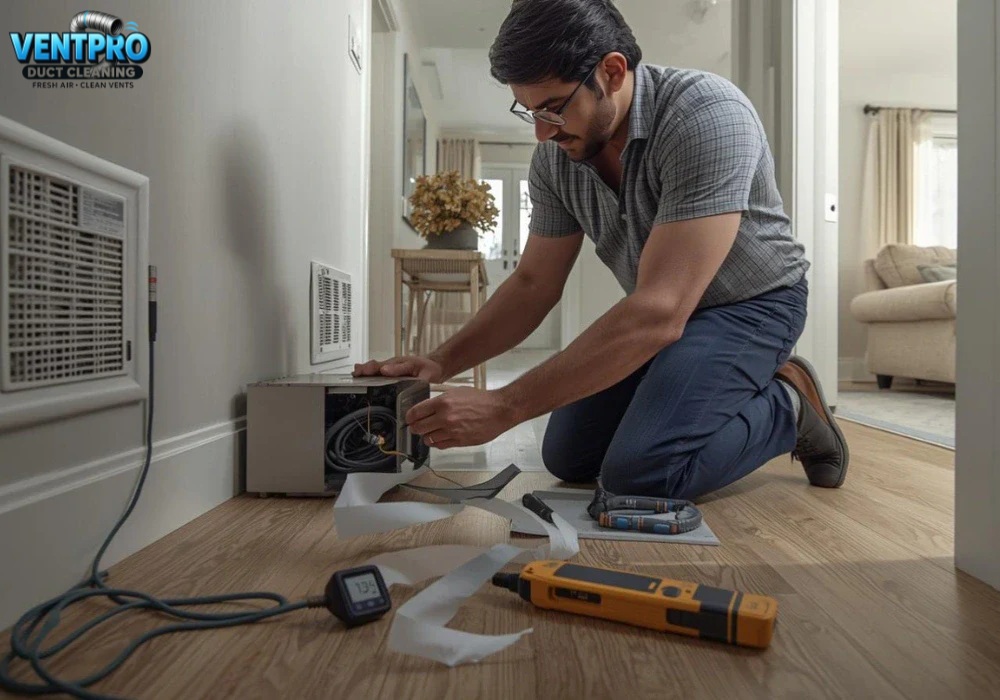
If noise persists despite basic adjustments, the most accurate solution is professional testing. Static pressure testing measures how much resistance the system experiences while moving air. It also evaluates airflow balance and determines whether duct sizing matches equipment capacity.
This diagnostic process requires professional HVAC tools and training. It provides objective data rather than guesswork and helps identify whether the issue is design related rather than maintenance related.
Addressing static pressure imbalance often resolves recurring popping, rumbling, and airflow related noise at the source rather than treating the symptom. In the next section, we will discuss when ductwork noise requires professional inspection and why ignoring persistent sound can affect long term system performance.
4. When Should You Call a Professional?
Not every duct noise requires service. However, persistent or worsening sounds usually indicate a deeper airflow or pressure issue rather than normal system behavior. You should contact a professional if:
- HVAC banging noise happens during every startup or shutdown cycle
- The noise is getting louder over time
- Airflow feels weak or inconsistent in certain rooms
- Energy bills are increasing without changes in usage
- Ductwork makes noise regularly when walking above it
- Noise continues throughout the entire heating or cooling cycle
When sound becomes repetitive, louder, or tied to performance changes, it is often related to static pressure imbalance, airflow restriction, or duct design limitations. Persistent noise is rarely random. In most cases, it reflects a system level issue that requires proper diagnostic testing rather than surface adjustments.
VentPro 512 focuses on diagnosing root causes instead of masking symptoms. Professional services include:
- Comprehensive ductwork inspections
- Static pressure analysis using calibrated HVAC tools
- Airflow diagnostics to evaluate balance and distribution
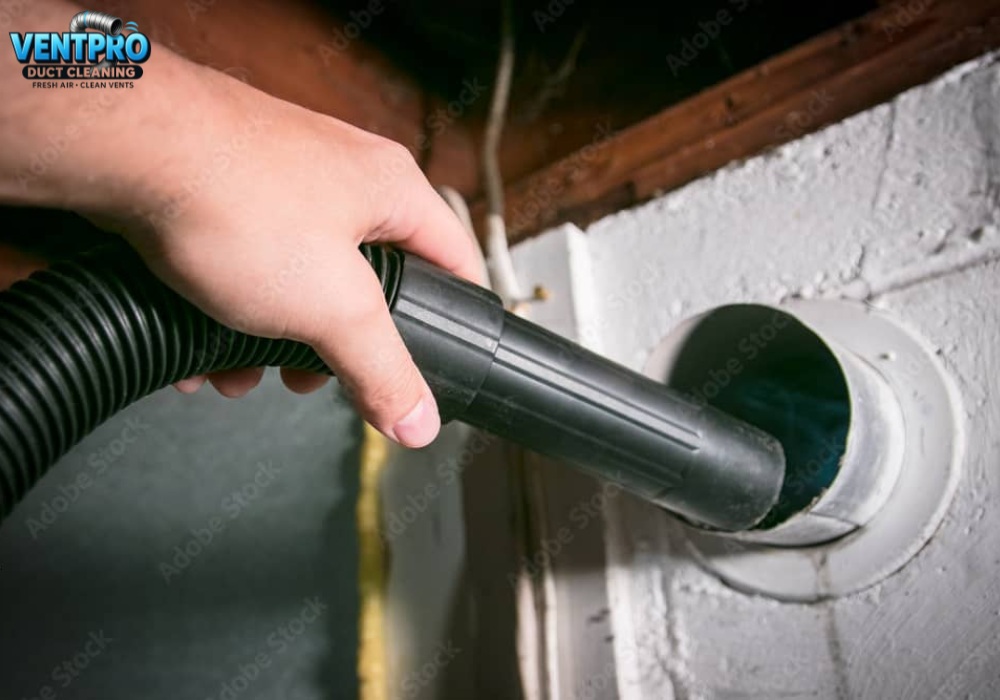
- Safe and thorough duct cleaning when buildup is present
- System performance optimization
Instead of applying temporary fixes, VentPro 512 identifies airflow resistance, pressure imbalance, and duct sizing issues that contribute to recurring noise. If your ducts are making unusual sounds, schedule a professional inspection with VentPro 512 today and protect your comfort, indoor air quality, and HVAC lifespan.
5. FAQs About Ductwork Noise
Why does ductwork make noise at night?
At night, the house is quieter, so normal cooling and metal contraction sounds become more noticeable. Brief popping after shutdown is usually normal.
Why do my vents make noise when the heat is on?
Warm air causes metal ducts to expand quickly. Light ticking or popping at startup is common. Loud or continuous noise may indicate pressure imbalance.
Why does my furnace make a popping noise when it shuts off?
After shutdown, hot duct metal cools and contracts, creating popping sounds. If the noise is very loud or repetitive, airflow or pressure issues may be involved.
How do I eliminate ductwork noise permanently?
Permanent reduction requires identifying the cause, whether thermal movement, pressure imbalance, loose components, or undersized ducts. Professional static pressure testing is the most reliable method.
Is ductwork noise dangerous?
Most duct noises are not dangerous. However, chronic high pressure or airflow restriction can reduce efficiency and shorten HVAC lifespan over time.
Ductwork noise is a mechanical signal, not a random event. While many sounds come from normal thermal expansion, repeated or loud noise often indicates airflow imbalance or pressure stress. Ignoring persistent noise can reduce comfort, increase energy costs, and strain your HVAC system. If your vents make noise when off, your furnace pops at shutdown, or duct sounds occur regularly at night, it is time to diagnose the root cause.
VentPro 512 provides professional inspections focused on restoring proper airflow balance and long term system performance.
|
VENTPRO 512 – FRESH AIR & CLEAN VENT Trusted Experts for Clean Air, Healthy Homes, and Reliable Service in Austin, TX
|
