
Dirty air ducts can reduce airflow when heavy debris builds up inside the system. In some cases, professional cleaning helps restore proper circulation and improve HVAC efficiency. In other cases, airflow problems come from design or mechanical issues, not dust. This guide explains when cleaning your air ducts truly helps air flow and when it does not. Read the full analysis before deciding what your system actually needs.
1. How Does Cleaning Air Ducts Help With Air Flow?
To determine whether cleaning your air ducts helps air flow, you first need to understand how airflow functions inside a residential HVAC system. Your system operates as a closed loop air circulation process. Return ducts draw indoor air back to the air handler. The air passes through the filter, where particles are captured. The blower motor then pushes conditioned air into the supply ducts, distributing it throughout the home through ceiling, wall, or floor vents.
Airflow performance is governed by three mechanical principles:
- Static pressure
- Air velocity
- Friction loss along duct surfaces
Static pressure refers to the resistance the blower must overcome to move air through the system. Air velocity is the speed at which air travels. Friction loss occurs as air rubs against the interior surfaces of ductwork. When these forces remain within design limits, airflow remains stable and efficient.
Problems begin when contamination builds up inside the duct system. Heavy dust accumulation, construction debris, pest nesting material, or deteriorated internal duct lining can reduce the effective internal diameter of the duct. Even a modest reduction in internal clearance increases friction. As friction increases, static pressure rises.
Higher static pressure leads to measurable consequences:
- Reduced airflow at supply vents
- Increased strain on the blower motor
- Longer HVAC run cycles
- Lower cooling or heating efficiency
In contamination related scenarios, professional duct cleaning can improve airflow by:
- Removing physical obstructions
- Restoring the intended internal duct diameter
- Reducing friction resistance
- Lowering static pressure load on the blower
- Helping the system operate closer to design specifications
When airflow restriction is caused by internal debris, cleaning addresses the root mechanical barrier. However, it is important to separate contamination from structural defects. If airflow problems stem from poor duct design, disconnected sections, leaking joints, undersized returns, or improper system balancing, cleaning alone will not correct performance. In those cases, repair or redesign is required.
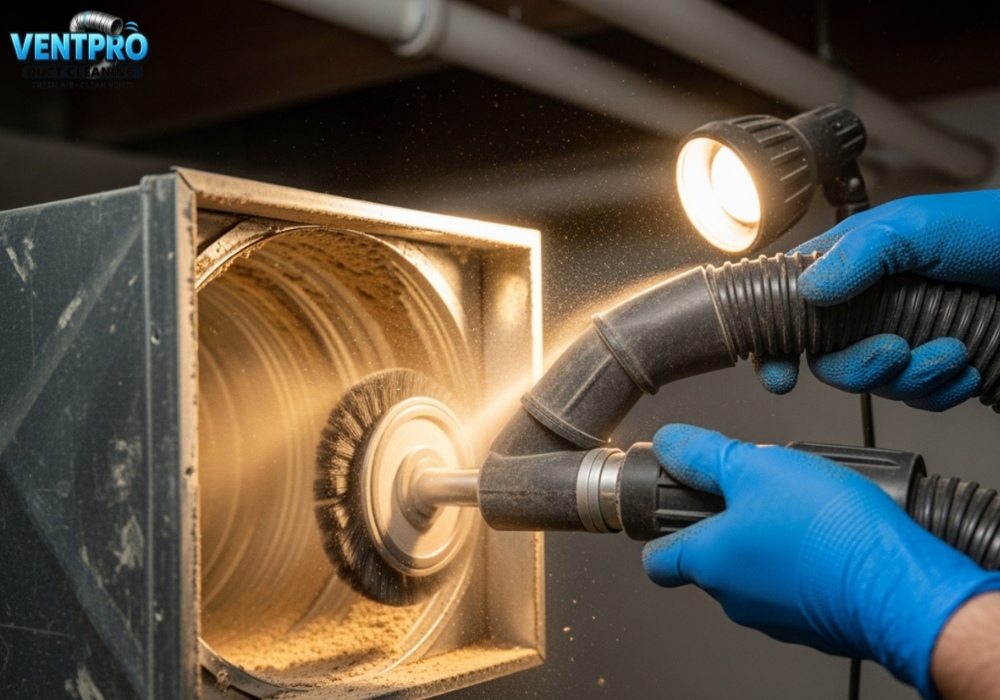
Can dirty air ducts restrict air flow? – Yes, dirty air ducts can restrict air flow, but only when contamination is substantial.
A thin layer of normal household dust along smooth metal duct surfaces does not significantly reduce airflow. HVAC systems are engineered to tolerate minor particulate presence without meaningful performance loss. Airflow restriction becomes measurable when contamination is heavy enough to narrow the airway or disrupt internal geometry.
Restriction typically occurs when:
- Thick debris buildup accumulates inside trunk lines
- Flexible ducts become partially crushed or kinked
- Rodent nesting materials block sections of duct
- Post construction dust settles heavily inside the system
- Mold growth reduces internal passage space
In these conditions, dirty air ducts can restrict air flow enough to create noticeable comfort imbalance. Common signs that airflow restriction may be contamination related include:
- One or two rooms consistently receive weak airflow
- The system runs longer but comfort does not improve
- Supply vents feel weak even after replacing the filter
- Excess dust returns quickly after home cleaning
When these symptoms appear, a professional inspection that measures static pressure and visually assesses duct condition provides clarity. Cleaning helps when debris is the measurable source of resistance. If resistance originates elsewhere in the system, a different corrective approach is required.
2. What Causes Poor Air Flow in a Home?
Before assuming duct cleaning is the solution, it is critical to identify the true root cause of airflow problems. Weak airflow is a symptom, not a diagnosis. In many homes, the restriction originates outside the duct interior. Below are the most common causes of poor airflow in residential HVAC systems.

2.1. Clogged Air Filter
This is the most frequent cause of restricted airflow. When the filter becomes loaded with dust and debris, it creates excessive resistance at the return side of the system. That resistance increases static pressure and reduces the volume of air the blower can move.
Symptoms often include weak airflow across all vents, longer system run times, and higher energy consumption. Checking and replacing the air filter should always be the first step before investigating deeper issues.
2.2. Leaky Ductwork
Air leaks inside attics, crawl spaces, or wall cavities reduce the amount of conditioned air that actually reaches living areas. Even small gaps at joints or disconnected sections can result in significant airflow loss.
Leaky ducts not only reduce airflow but also lower energy efficiency and increase operating costs. In this case, sealing and repairing ducts restores performance more effectively than cleaning.
2.3. Improper Duct Design
Some airflow issues originate from the original system design. Undersized return ducts, long duct runs with multiple sharp turns, or poorly balanced branch lines limit the system’s airflow capacity. When duct sizing does not match system output requirements, cleaning will not correct the limitation. The restriction is structural rather than contamination related.
2.4. Blower Motor Issues
The blower motor is responsible for moving air throughout the system. If it is worn, underpowered, improperly configured, or beginning to fail, airflow decreases regardless of duct cleanliness. Common indicators include inconsistent airflow, unusual noise from the air handler, or overheating components. Mechanical diagnosis is required in these situations.
2.5. Closed Dampers or Blocked Vents
Airflow can be restricted by simple operational factors. Partially closed manual dampers inside duct branches reduce supply to certain rooms. Furniture, rugs, or curtains blocking vents also limit output. These issues are easy to correct but often overlooked.
2.6. Heavy Internal Debris
Significant buildup inside ducts can physically narrow the airway and increase friction resistance. Post construction dust, pest nesting material, collapsed duct lining, or thick debris accumulation can restrict air movement enough to cause noticeable comfort imbalance. This is the scenario where professional duct cleaning can genuinely improve airflow, provided contamination is confirmed as the source of restriction.
3. When Should You Clean Air Ducts to Improve Air Flow?
Cleaning your air ducts can improve airflow, but only under specific conditions. The decision should be based on measurable system performance and visible contamination, not routine scheduling alone.
You should consider duct cleaning to improve airflow when:
- The system has not been serviced in over five years: Long periods without inspection increase the likelihood of accumulated debris, especially in older homes or properties with pets.
- You recently completed a home renovation: Construction dust, drywall particles, and fine debris often enter return ducts during remodeling. This material can settle deep inside trunk lines and restrict airflow.
- Visible debris is present inside main duct lines: If inspection reveals heavy dust buildup, loose insulation, or accumulated contaminants inside large trunk ducts, airflow resistance may be elevated.
- Pest contamination is present: Rodent nesting materials, droppings, or insect debris can partially block duct sections and create localized airflow restriction.
- Mold growth is confirmed: Moisture inside ductwork can allow microbial growth to develop. In addition to air quality concerns, thick contamination can reduce effective airflow passage.
- Static pressure readings are elevated: Professional measurement of static pressure provides objective data. If pressure exceeds manufacturer design limits, and internal debris is confirmed, cleaning may reduce resistance.
- Airflow testing shows measurable restriction: Airflow balancing tests or anemometer readings at supply vents can reveal underperforming branches. If restriction is linked to internal contamination, cleaning can help restore performance.
According to the U.S. Environmental Protection Agency, duct cleaning is not routinely required for improved efficiency unless ducts are heavily contaminated. The emphasis is on the word heavily. Light dust accumulation alone does not justify cleaning for airflow improvement.
The correct approach is diagnostic based. Professional airflow evaluation, static pressure measurement, and internal inspection should determine whether cleaning will meaningfully improve performance. Decisions based on data produce better outcomes than assumptions.
Duct cleaning does not solve structural or mechanical airflow problems. Cleaning will not fix:
- Undersized duct systems
- Major duct leaks
- Collapsed or kinked flexible ducts
- Incorrect HVAC system sizing
- High MERV filters creating excessive resistance
- Blower motor mechanical failure
In these situations, airflow issues require repair, redesign, sealing, or system balancing. Cleaning alone will not restore proper performance.
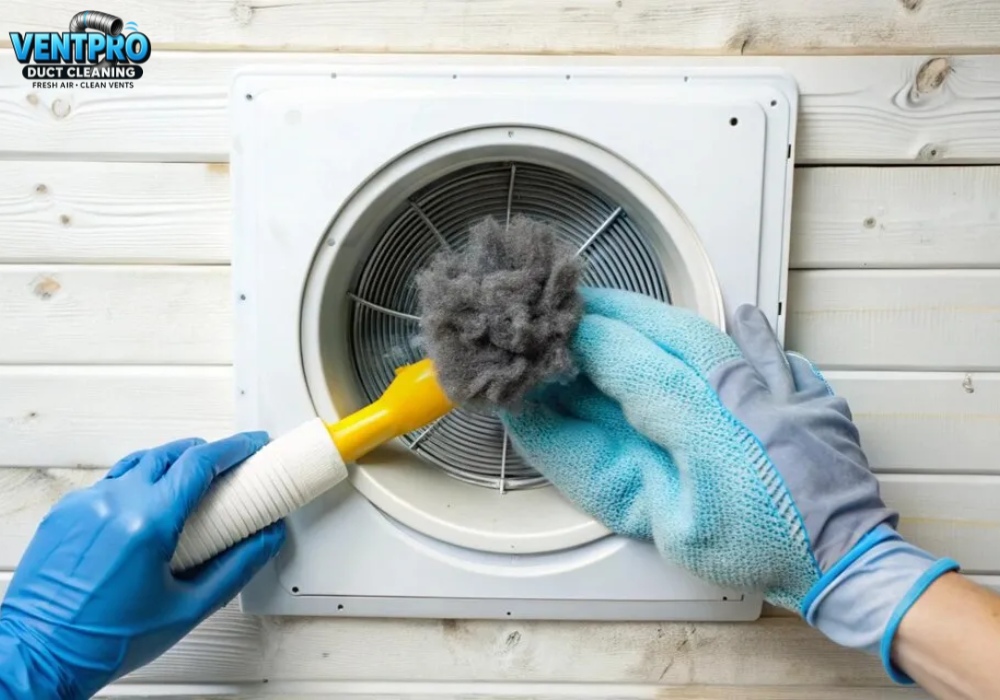
4. VentPro 512 – Professional Air Duct Inspection & Cleaning in Austin
If you are asking whether cleaning your air ducts helps air flow, the correct answer begins with data, not assumptions. Airflow performance should be measured, inspected, and verified before any service is recommended.
VentPro 512 provides a diagnostic first approach designed to identify the real source of airflow restriction. Our services include:
- Full duct system inspection
- Static pressure measurement
- Professional negative air pressure cleaning
- Airflow efficiency evaluation
- Dryer vent inspection
- Photo documentation upon request
We serve homeowners throughout Austin and surrounding Central Texas communities. If airflow feels weak, energy bills are increasing, or indoor comfort is inconsistent from room to room, a professional evaluation can determine whether contamination, leakage, or system design is responsible. The goal is accurate diagnosis before unnecessary service, ensuring your HVAC system performs as intended.
5. Frequently Asked Questions
Q1: How Do I Increase Airflow in My Ductwork?
Start with the basics:
- Replace the air filter
- Make sure all supply vents are fully open
- Ensure return vents are not blocked by furniture
- Check for visibly disconnected ducts
If airflow is still weak, professional testing of static pressure and duct condition is recommended.
Q2: Is Duct Cleaning a Waste of Money?
It depends on the condition of your system. Duct cleaning is worthwhile when heavy debris, mold contamination, pest activity, or verified airflow restriction is present. It is unnecessary when ducts are already clean and airflow problems are caused by leaks, poor design, or mechanical issues.
Q3: What Are the Pros and Cons of Duct Cleaning?
Pros:
- Removes heavy debris
- May improve airflow if restricted
- Reduces blower strain
- Improves indoor air cleanliness when contaminated
Cons:
- Does not fix duct leaks
- Does not correct poor design
- Not necessary for lightly dusty systems
- Quality varies between providers
Does cleaning your air ducts help air flow? The answer is yes when heavy debris or contamination is restricting the system. It will not solve structural design flaws, leaks, or mechanical failures. The key is proper diagnosis before service. When airflow is measured and contamination is confirmed, cleaning can restore efficiency and reduce system strain.
|
VENTPRO 512 – FRESH AIR & CLEAN VENT Trusted Experts for Clean Air, Healthy Homes, and Reliable Service in Austin, TX
|
