
When air ducts smell, it is rarely a minor or temporary issue. Odors coming from your vents often point to hidden problems inside the HVAC system such as moisture buildup, mold growth, trapped dust, or airflow imbalance. Many homeowners notice the smell but underestimate how much it affects indoor comfort, air quality, and system efficiency. This guide explains why air ducts smell, what those odors truly mean, and how to fix them correctly using both quick actions and long term solutions. Read on to protect your home, your health, and your HVAC investment.
1. Common Types of Smells Coming From Air Ducts
Different odors usually point to different underlying problems. Identifying the smell helps narrow down the cause and choose the right solution.
#1. Musty or Moldy Smell
A damp, earthy smell usually signals moisture buildup inside the HVAC system. This often leads to mold or mildew growth in ductwork, coils, or insulation, especially in humid conditions.
#2. Dusty or Stale Air Smell
A dry, old air smell that appears when the system turns on is commonly caused by dust accumulation inside ducts or dirty air filters, especially after long periods of inactivity.
#3. Rotten Egg or Sewage Like Smell
A strong foul odor may indicate pest activity, a dead animal inside the duct system, or sewer gas entering through nearby plumbing or drain connections.
#4. Burning or Chemical Smell
Sharp or electrical smelling air can point to overheating components, wiring issues, or chemical residue circulating through the HVAC system. This type of smell should not be ignored.
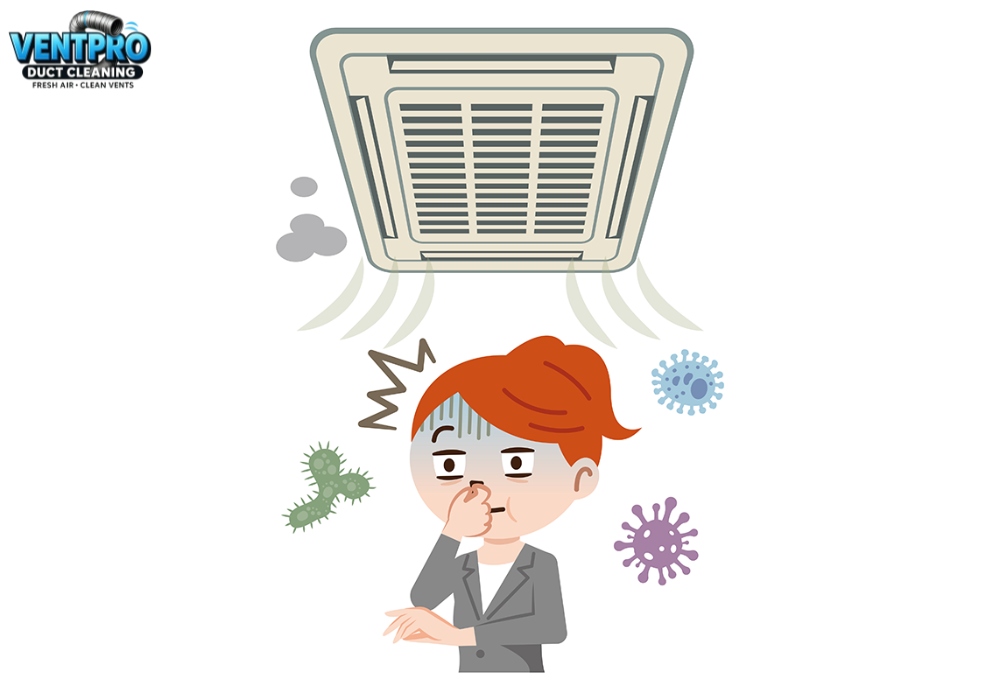
2. What Causes Air Ducts to Smell in the First Place?
Air ducts smell because they collect and circulate contaminants that are hidden from view. Once these contaminants build up inside the system, airflow carries the odor into every room whenever the HVAC turns on.
2.1. Moisture and Mold Growth
Moisture is the most common trigger behind unpleasant duct odors. During normal AC operation, condensation forms inside the system. If the condensate drain line is clogged, insulation is damp, or indoor humidity stays high, moisture can remain trapped inside the ductwork.
This creates ideal conditions for mold and mildew to grow in dark, enclosed areas. Once airflow moves through the system, the musty smell spreads quickly throughout the home.
2.2. Dirty or Overdue Air Filters
Air filters are the first line of defense against dust and organic particles. When filters are clogged, poorly fitted, or not replaced on time, debris bypasses filtration and settles inside the duct system. As dust and organic material accumulate, they begin to produce stale or dusty odors that are released every time the HVAC system turns on.
2.3. Pest Contamination
Small openings in ductwork or return vents can allow rodents or insects to enter the system. Pests may nest inside ducts, leave droppings, or die within the ductwork. These contaminants create strong and persistent odors that air fresheners or surface cleaning cannot remove. In many cases, the smell worsens when airflow increases.
2.4. HVAC System Wear or Poor Maintenance
As HVAC systems age, internal components can become sources of odor. Dirty evaporator coils, neglected blower assemblies, or overheating parts may release mechanical or chemical smells into the airflow. Without regular inspections and cleaning, these issues can go unnoticed while odors continue to spread through the duct system.
Can Dirty Air Ducts Make Your House Smell?
Yes. Dirty air ducts act as a distribution pathway for odors. Once contaminants are inside the system, the HVAC fan pushes those smells into every room. This is why a single hidden issue in the ductwork can make the entire house smell unpleasant, even if the source is not visible.
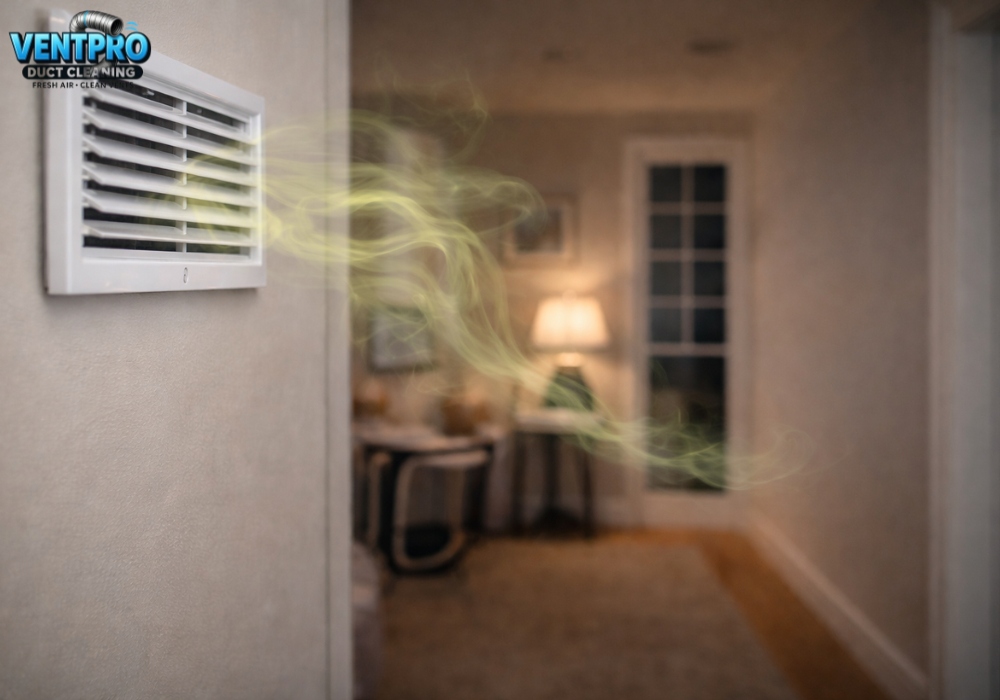
3. How Smelly Air Ducts Affect Austin Families (More Than You Think)
In Austin homes, air duct odors often cause wider problems than expected due to the local climate, home design, and year round HVAC use.
- Austin’s climate makes odors worse: High humidity, extended cooling seasons, and frequent AC operation increase moisture buildup inside ductwork, creating ideal conditions for mold and odor causing microbes.
- Indoor air quality issues often go unnoticed: Persistent duct odors usually indicate airborne pollutants circulating through the home, which can trigger allergies, worsen asthma symptoms, and disrupt sleep, especially for children and older adults.
- Energy efficiency quietly declines: Dirty or contaminated ducts restrict airflow, forcing the HVAC system to work harder. This leads to higher energy bills, uneven cooling, and faster wear on system components.
- Odors spread quickly in open plan homes: Many modern Austin homes use open layouts, allowing smells from a single duct section to move freely throughout the house, even when the source is limited to one area.

4. Effective DIY Steps to Reduce Air Duct Odors
Not all air duct odor problems require immediate professional service. In many cases, mild smells can be reduced by addressing common sources of contamination and airflow issues. The following methods focus on practical actions homeowners can take to limit odor buildup and circulation.
4.1. Replace Air Filters on a Consistent Schedule
Air filters play a critical role in preventing dust, allergens, and organic particles from entering the duct system. When filters are clogged, poorly fitted, or left unchanged for too long, contaminants pass through and settle inside ductwork, where odors can develop.
For most Austin homes, filters should be replaced every one to three months, especially during long cooling seasons. Homes with pets, allergies, or heavy HVAC use may need more frequent changes. A clean filter helps reduce odor sources and improves overall airflow.
4.2. Clean Vent Covers and Registers Regularly
Vent covers and registers collect dust, debris, and surface level contaminants that can release odors back into the air when the HVAC system runs. Even if the ducts themselves are not heavily contaminated, dirty vents can make the entire system smell unpleasant.
Removing vent covers and washing them with mild soap and water helps eliminate this buildup. Allow them to dry fully before reinstalling to avoid introducing moisture into the system.
4.3. Improve Airflow and Overall Ventilation
Restricted airflow can trap stale air and odors inside the duct system. Blocked or partially covered vents prevent proper circulation and allow contaminants to linger longer than they should.
Ensure that furniture, rugs, and curtains are not obstructing supply or return vents. Periodically ventilating the home by opening windows and doors also helps release trapped indoor pollutants and refresh the air, especially during mild weather.
4.4. Address Moisture Issues as Soon as They Appear
Moisture is one of the main drivers of musty air duct odors. Standing water near the indoor HVAC unit, clogged drain pans, or blocked condensate drain lines allow moisture to remain inside the system.
Homeowners should periodically check around the HVAC unit for signs of water buildup and ensure the drain line is clear. Reducing excess moisture helps prevent mold and mildew from developing inside the duct system.

5. Smart Habits to Keep Air Ducts Clean and Odor-Free
Preventing air duct odors is easier and more cost effective than fixing problems after they appear. Building simple maintenance habits helps keep the system clean and running efficiently.
- Schedule regular HVAC inspections: Routine inspections help detect moisture issues, dirty components, and airflow problems early, before they turn into odor sources inside the duct system.
- Control indoor humidity levels: Managing humidity reduces the risk of mold and mildew growth inside ducts, especially during Austin’s long cooling season.
- Avoid low quality or incorrect air filters: Using properly sized, higher quality filters prevents dust and organic debris from bypassing filtration and settling inside ductwork.
- Keep return vents clean and accessible: Clean, unobstructed return vents reduce the amount of dust and contaminants pulled into the HVAC system.
- Do not ignore recurring or worsening odors: Smells that return quickly or intensify over time often indicate deeper issues that basic cleaning cannot solve.
Consistent maintenance reduces the risk of mold growth, dust buildup, and unnecessary strain on the HVAC system.
6. When to Call a Professional Air Duct Cleaning Expert
DIY steps and good habits help reduce mild odors, but they cannot solve every problem. Certain signs indicate that the smell is coming from deeper inside the HVAC system and requires professional attention.
- Odors keep coming back after basic cleaning: If smells return quickly after changing filters or cleaning vents, contamination is likely inside the ductwork or HVAC components.
- Persistent musty or sewage like smells: Ongoing musty odors often point to hidden moisture or mold, while sewage like smells may indicate pest contamination or gas related issues that should not be ignored.
- Unexplained allergy or respiratory symptoms: When family members experience worsening allergies, asthma symptoms, or irritation with no clear cause, dirty ducts may be circulating airborne pollutants.
- Older homes or systems with no duct cleaning history: Homes that have never had professional air duct cleaning often accumulate years of dust, debris, and organic material that DIY methods cannot remove.
- Visible mold, heavy dust, or pest evidence: Any sign of mold growth, excessive debris, or animal activity inside vents or near duct access points is a strong reason to call a specialist.
At this stage, professional inspection and cleaning are the safest and most effective solutions. VentPro 512 provides inspection based air duct cleaning for Austin homeowners, focusing on identifying the real source of odors and removing them properly rather than masking the problem.
7. Frequently Asked Questions About Air Ducts Smell
Q1: Air vents smell musty in the car. Is it the same issue as in a house?
Yes. In vehicles, musty odors usually come from moisture buildup and mold growth around the AC evaporator or a dirty cabin air filter. While the system is smaller, the cause is similar to home HVAC systems where moisture and limited airflow allow odors to develop.
Q2: Do air duct odor eliminators actually work?
Most air duct odor eliminators only mask smells temporarily. They do not remove mold, dust, or organic contamination inside the duct system. Once airflow circulates again, the odor often returns. Proper cleaning and moisture control are the only long term solutions.
Q3: Why does the smell get worse when the AC turns on?
When the AC starts, airflow pushes trapped contaminants inside the ductwork into your living space. This sudden movement makes odors more noticeable, especially if debris, moisture, or microbial growth is present inside the system.
If your air ducts smell, it is a sign your system needs real attention, not air fresheners. VentPro 512 helps Austin homeowners eliminate odors at the source through professional inspections, safe cleaning standards, and results you can feel in your home.
Air ducts smell for a reason, and ignoring the problem can quietly affect indoor air quality, comfort, and HVAC efficiency. By understanding the causes, recognizing the risks specific to Austin homes, and knowing when to contact a professional, you can protect both your indoor air and your long term HVAC investment.
|
VENTPRO 512 – FRESH AIR & CLEAN VENT Trusted Experts for Clean Air, Healthy Homes, and Reliable Service in Austin, TX
|
