
Blocked air ducts are a common but often overlooked issue in residential HVAC systems. When airflow is restricted, rooms become less comfortable, energy consumption increases, and indoor air quality gradually declines. Many homeowners notice the symptoms but are unsure of the real cause behind the problem. Understanding why air ducts become blocked and how serious the issue can be is the first step toward protecting both your comfort and your system. This guide explains the risks of blocked air ducts and the most effective ways to fix them properly.
1. How Dangerous Are Blocked Air Ducts?
Blocked air ducts create more serious problems than simple discomfort. When airflow is restricted, the entire HVAC system is affected in several measurable ways:
- Reduced HVAC efficiency: The system must work harder to push air through the ductwork, placing constant strain on the blower and internal components.
- Premature system wear and breakdown risk: Prolonged high pressure shortens the lifespan of key parts and increases the likelihood of mechanical failure.
- Uneven heating and cooling: Air cannot reach all rooms evenly, causing persistent hot and cold spots throughout the home.
- Higher energy consumption and utility bills: Longer run times are required to reach the desired temperature, leading to increased energy use.
- Poor indoor air quality: Dust, allergens, and fine particles trapped in the ducts are repeatedly circulated back into living spaces.
- Moisture buildup and mold risk: Restricted airflow allows humidity to accumulate inside ducts, creating conditions favorable for mold growth.
Over time, ignoring blocked air ducts can reduce system reliability and negatively impact indoor air quality, especially in homes with children, pets, or individuals sensitive to allergens.
2. Signs Your Air Ducts Are Blocked
Recognizing early warning signs of blocked air ducts can help prevent system damage and rising energy costs. The most common indicators include:
- Weak or limited airflow from supply vents: Air feels noticeably weaker than usual, even when the system is running at full capacity.
- Rooms that are consistently too hot or too cold: Certain areas of the home fail to reach the set temperature due to restricted air delivery.
- Rising energy bills without increased usage: The HVAC system runs longer and more frequently to compensate for poor airflow.
- Whistling, rattling, or unusual HVAC noises: Air struggling to pass through blockages can create abnormal sounds within vents or ductwork.
- Musty, stale, or dusty odors when the system operates: Trapped debris or moisture inside the ducts releases unpleasant smells into living spaces.
- Excessive dust buildup around vents: Dust accumulation appears quickly around vent covers and nearby surfaces.
When several of these signs occur together, it is a strong indication that airflow inside the duct system is restricted and should be inspected promptly.
3. Common Causes of Blocked Air Ducts
Understanding the root cause of blocked air ducts makes it much easier to choose the right fix and prevent the problem from returning. Below are the most common causes, explained in simple and practical terms.
3.1. Dirty or Clogged Air Filters
Air filters are the first line of defense in an HVAC system. When they become overloaded with dust and debris, airflow into the system is restricted. This reduces the amount of air moving through the ductwork and can force contaminants deeper into the ducts. In many cases, replacing a dirty filter immediately improves airflow.
3.2. Blocked or Closed Air Vents and Dampers
Air vents can be unintentionally blocked by furniture, rugs, curtains, or decorative items. Dampers inside the duct system may also be partially or fully closed, often without the homeowner’s awareness. These obstructions limit airflow to specific rooms and are a common cause of uneven temperatures.
3.3. Dust and Debris Accumulation Inside Ducts
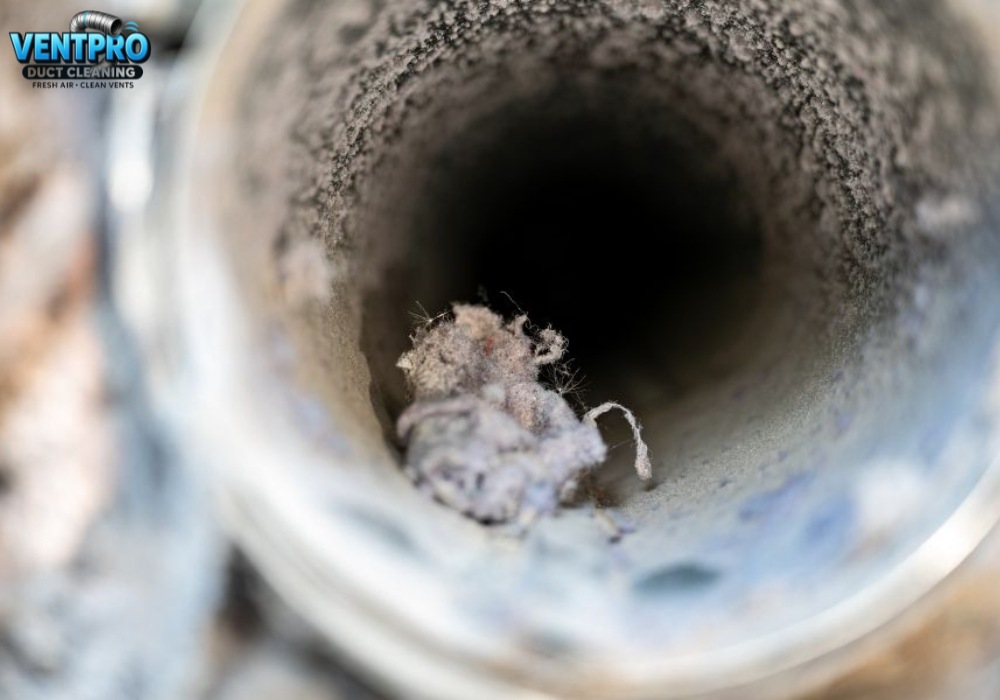
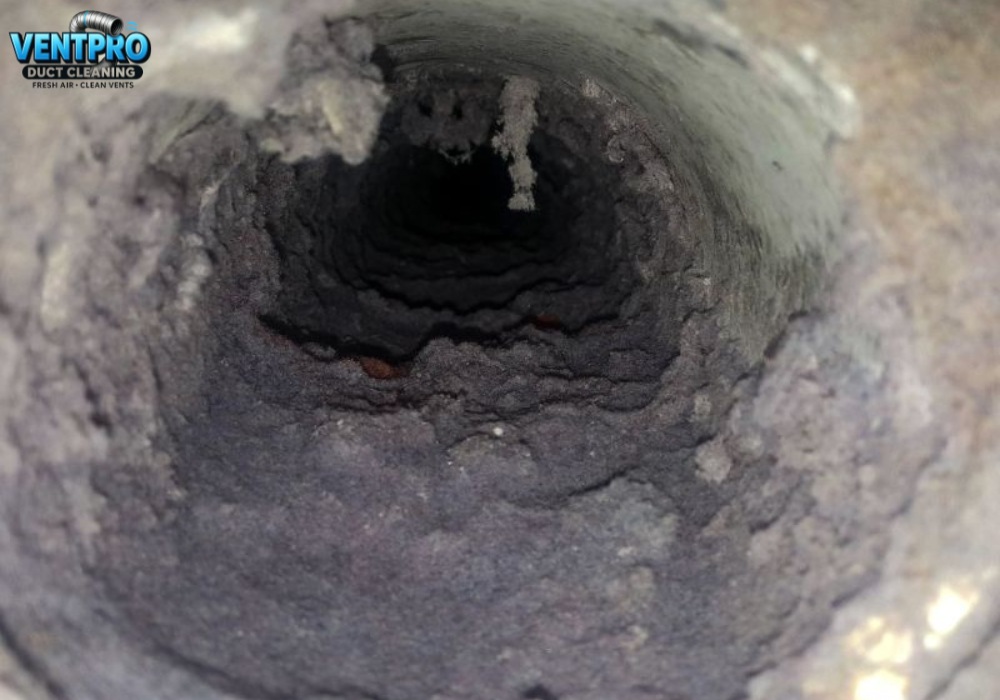
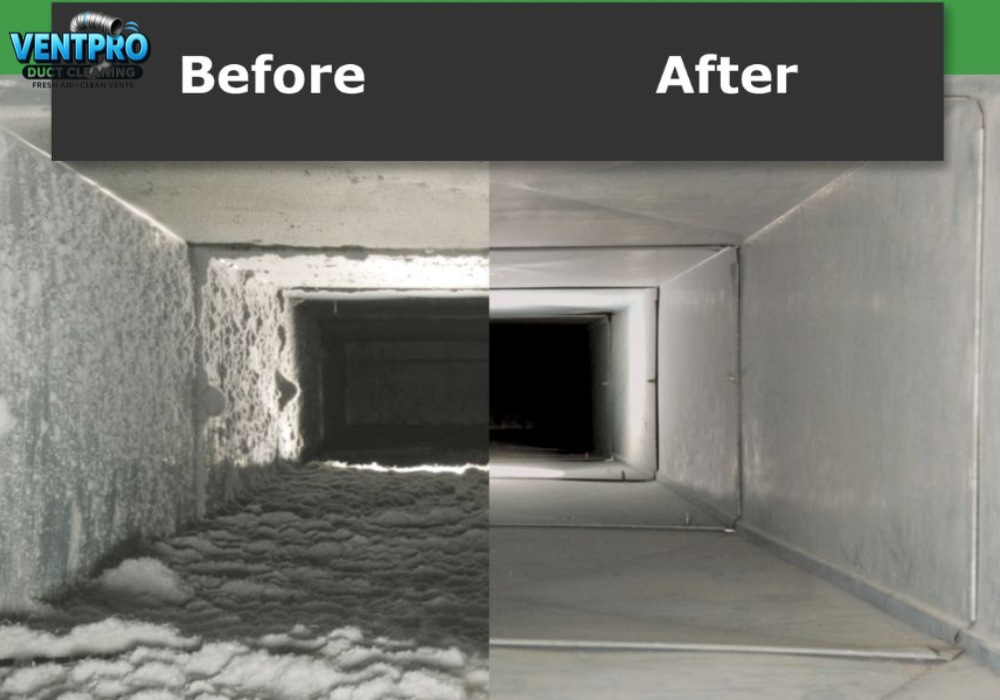
Dust, pet hair, insulation particles, and other debris naturally collect inside air ducts over time. Homes with pets, ongoing construction, or infrequent HVAC maintenance tend to experience faster buildup. As debris accumulates, airflow pathways narrow and system efficiency declines.
3.4. Damaged, Collapsed, or Disconnected Ductwork
Ductwork can suffer damage due to aging materials, poor installation, or physical stress in attics, crawl spaces, or basements. Collapsed or disconnected ducts allow air to escape before reaching living spaces, reducing airflow and increasing system strain.
3.5. Foreign Objects or Vermin in the Duct System
In some situations, airflow is blocked by foreign objects inside the ducts. Small animals, nesting materials, toys, or household items can become lodged in the system. These blockages often cause sudden airflow loss in specific rooms and may require professional inspection to remove safely.
Breaking down the causes in this way makes it easier to identify the source of blocked air ducts and choose the most effective corrective action.
4. How to Fix Blocked Air Ducts Yourself (What Homeowners Can Do)
Some blocked air duct issues can be resolved safely without professional equipment. These steps focus on surface level problems and basic airflow restrictions that homeowners can reasonably address.
4.1. Replace or Clean the Air Filter
Air filters should be replaced or cleaned every 30 to 90 days, depending on usage and household conditions. A clogged filter is one of the most common causes of restricted airflow. Replacing it often restores proper air movement immediately and reduces strain on the HVAC system.
4.2. Check and Clear Air Vents
Make sure all supply and return vents are fully open and unobstructed. Furniture, rugs, curtains, or decorative items placed over vents can significantly reduce airflow. Clearing these obstructions helps air circulate evenly throughout the home.
4.3. Inspect Dampers in Accessible Duct Sections
If your system has manual dampers, check that they are set to the open position. Dampers are often located near the main duct lines in basements, crawl spaces, or utility areas. A closed or partially closed damper can block airflow to entire sections of the house.
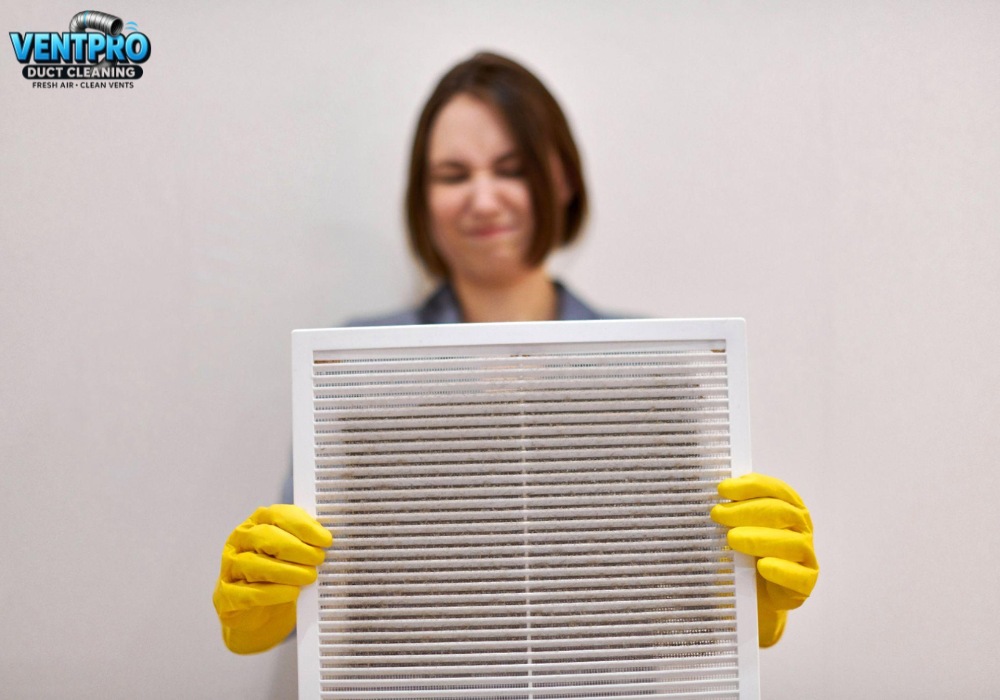
4.4. Clean Vent Covers and Grilles
Remove vent covers and grilles and clean off surface dust and debris. This prevents buildup from being pulled back into the system and improves airflow at the vent opening. Always allow covers to dry completely before reinstalling them.
4.5. Perform a Basic Visual Inspection
Use a flashlight or a small inspection camera to look just inside the vent openings. This can help identify visible blockages such as debris, dust clumps, or foreign objects near the entrance of the duct.
Homeowners should avoid pushing tools, brushes, or moisture deep into the ductwork. Doing so can worsen the blockage, spread debris further into the system, or damage the ducts themselves.
5. When Should You Call an HVAC Professional?
While basic troubleshooting can resolve minor airflow issues, some blocked air duct problems require professional attention. You should contact an HVAC professional in the following situations:
- Airflow issues persist after basic fixes: If replacing filters, clearing vents, and checking dampers does not improve airflow, the blockage is likely beyond surface level.
- Blockages are deep inside the duct system: Debris, dust buildup, or foreign objects located deep within the ductwork cannot be safely reached without specialized equipment.
- You suspect duct collapse, leaks, or disconnections: Damaged or disconnected ducts often occur in attics, crawl spaces, or basements and require professional repair to restore proper airflow.
- Strong mold or musty odors are present: Persistent odors may indicate moisture buildup or mold growth inside the duct system, which should be handled by trained professionals.
- Energy bills remain unusually high: Continued high energy usage can signal hidden airflow restrictions or duct leakage that simple fixes cannot resolve.
- The home has allergy or respiratory concerns: Households with children, pets, or individuals sensitive to allergens benefit from professional inspection and cleaning to protect indoor air quality.
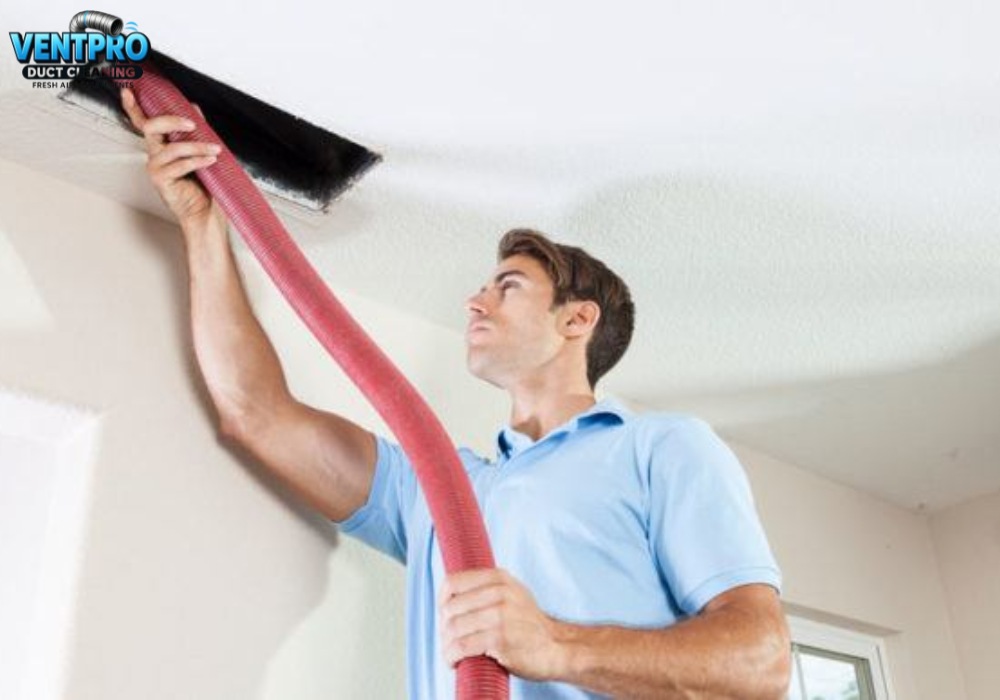
Professional duct inspection and cleaning rely on negative air pressure systems and specialized tools that remove blockages without spreading contaminants, something do it yourself methods cannot safely achieve.
6. Smart Usage Tips to Prevent Blocked Air Ducts
Preventing blocked air ducts is far easier and more cost effective than dealing with airflow problems after they appear. Simple habits and routine maintenance can significantly reduce the risk of future blockages.
- Replace HVAC filters regularly: Change or clean filters on a consistent schedule based on system usage and household conditions. Clean filters help maintain steady airflow and prevent debris from entering the duct system.
- Schedule annual HVAC system inspections: Professional inspections help identify early signs of airflow restriction, duct damage, or system imbalance before they turn into serious issues.
- Keep vents unobstructed at all times: Make sure furniture, rugs, curtains, and decorative items do not block supply or return vents. Clear airflow paths allow the system to distribute air evenly throughout the home.
- Maintain general household cleanliness: Regular cleaning reduces the amount of dust, pet hair, and airborne particles that can be pulled into the HVAC system and settle inside ducts.
- Ensure ductwork is properly sealed and balanced: Well sealed and balanced ductwork prevents air loss, reduces pressure issues, and helps maintain consistent airflow across all rooms.
Consistent preventive habits not only protect indoor air quality but also extend HVAC system lifespan and reduce the need for costly repairs.
7. FAQs About Blocked Air Ducts
Question 1: Can I fix blocked air ducts myself?
Homeowners can handle basic, surface level issues such as replacing dirty air filters, clearing blocked vents, and opening closed dampers. These steps often restore airflow when the problem is minor. However, deep blockages, damaged ductwork, mold contamination, or hidden airflow restrictions require professional inspection and service to avoid further damage.
Question 2: What is an air vent blocker?
An air vent blocker is a temporary device designed to redirect airflow away from certain rooms. While it can help with short term airflow balancing, improper or long term use may increase air pressure inside the duct system. This added pressure can worsen existing blockages and strain the HVAC system.
Question 3: What causes blocked air vents in a house?
Blocked air vents in a house are commonly caused by furniture or rugs placed over vents, dust and debris buildup, closed or misaligned dampers, dirty HVAC filters, and damaged or disconnected duct sections. Identifying and correcting these causes early helps maintain proper airflow and system efficiency.
Blocked air ducts have a direct impact on home comfort, energy efficiency, and indoor air quality. What often starts as weak airflow or uneven temperatures can quickly turn into higher utility bills, system strain, and long term HVAC damage. Early detection and consistent maintenance are the most effective ways to prevent costly repairs and air quality related concerns.
If basic troubleshooting does not restore proper airflow, a professional inspection becomes the safest and most reliable next step. VentPro 512 provides thorough duct inspections and professional cleaning using industry standard negative air pressure methods to identify hidden blockages and restore healthy airflow throughout your home.
If you are experiencing persistent airflow problems or want peace of mind about your duct system, contact VentPro 512 for an expert evaluation and a clear, honest recommendation tailored to your home.
| VENTPRO 512 – FRESH AIR & CLEAN VENT
Trusted Experts for Clean Air, Healthy Homes, and Reliable Service in Austin, TX
|
